Blog Posts
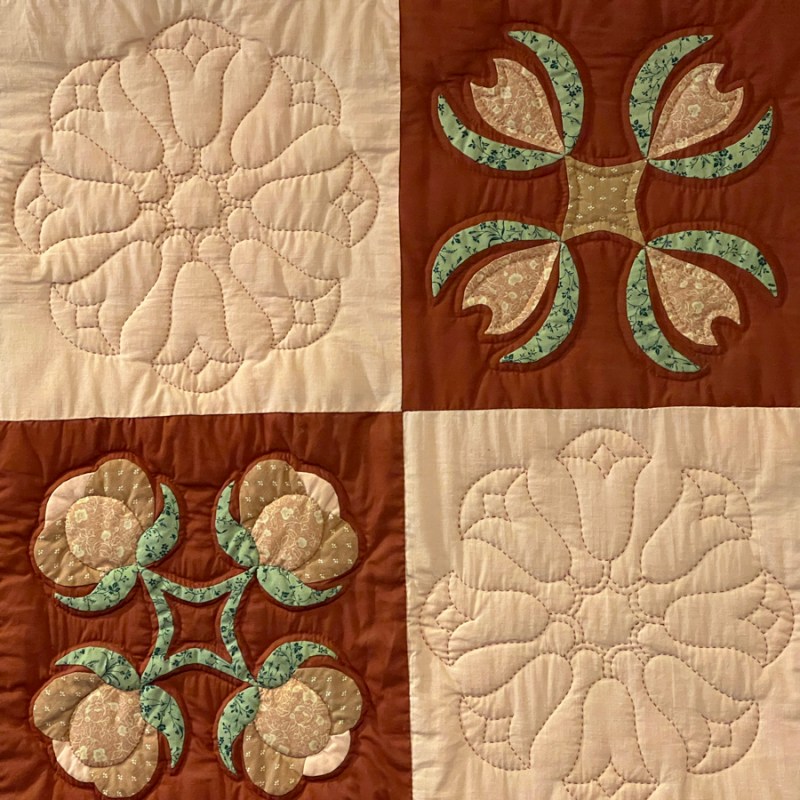
Quilting Elements and Writing Roses
While I was a new mother attending graduate school, I yearned for some small, creative activity to soften my busy life. Because the winters are so cold in Minnesota (U of MN graduate), quilting is a big hobby. So, I signed up for a hand quilting class, and it was just what I needed—a mental and…

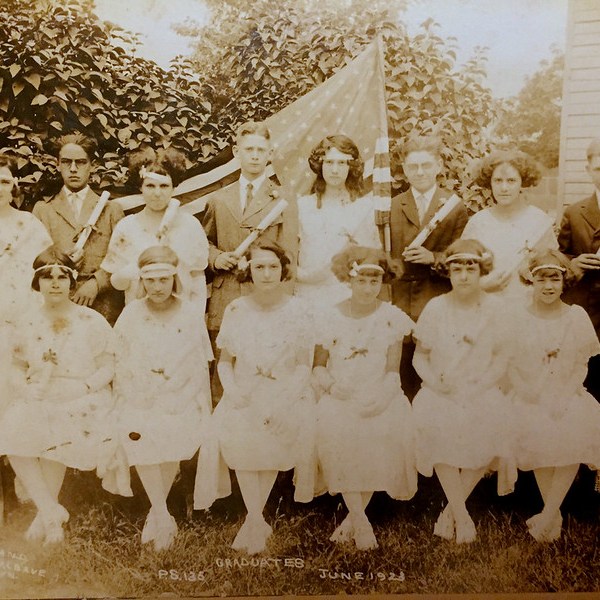
Sepia Brown Nostalgia
Old photographs figure large in my second novel, Imprint and Inheritance. Colleen shows Julia old photos from 1920 – 1960 to reminisce, and one particular photo is the inciting incident for the novel. Most were black and white, but the earliest photos were sepia-toned. As I wrote, I wondered if black-and-white photos turned sepia with…

The Enduring Magic of Little Golden Books
Do you remember reading Little Golden Books when you were a child, or reading them to children and even grandchildren? This institution of American children’s books began in 1942 during World War II and, after 82 years, it’s been read by generations of children. In 2013, the Smithsonian even put together a special exhibit about…

Peyton Place and the Sexual Education of America
Most people have heard of the phrase “Peyton Place” and associate it with titillating scandal and soap opera. But Peyton Place began as a novel, released in 1956 by a rebellious mother and housewife who wanted to expose the hypocrisies of her hometown and her times. Sex and questioning authority in many forms shows up…
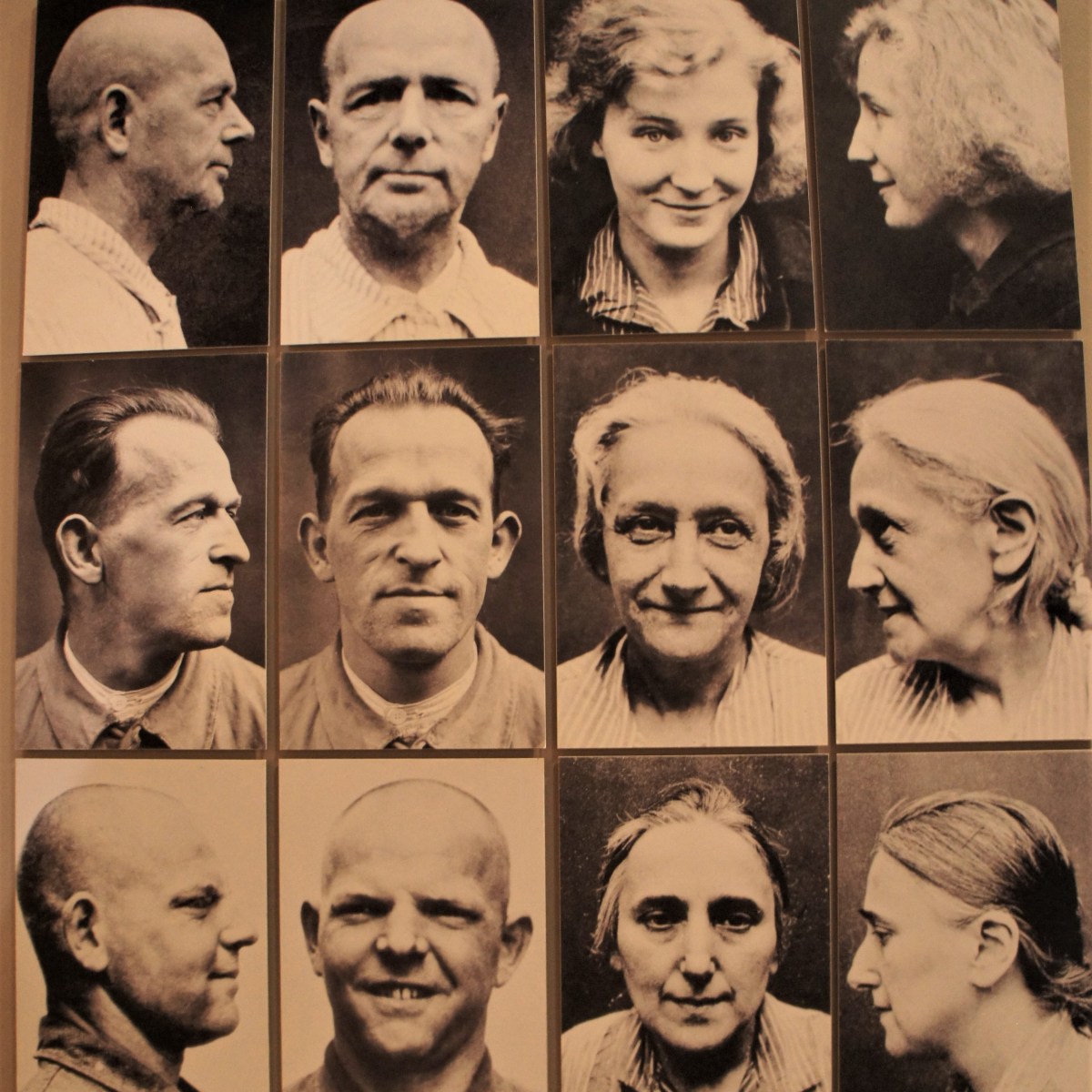
Psychiatric Holocaust
Eugenics and the Monstrous Objective of “Racial Purity” The Nazi Party embraced an ideology of purifying their population from anyone deemed genetically inferior—to create a master race that would take their “rightful place” as the masters of Europe. It was at the top of Hitler’s agenda and he and his henchmen worked hard to make…
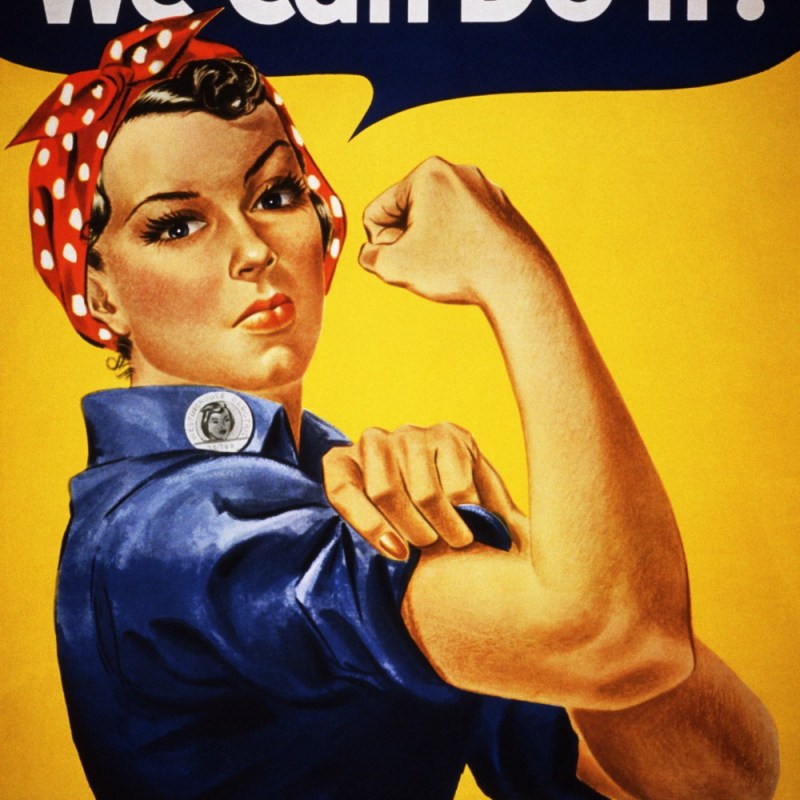
Who Was Rosie The Riveter?
Imagery This Rosie the Riveter image is widely recognized as a symbol of female empowerment and the feminist movement. It was originally a poster made to encourage the newly working women at the Westinghouse Electric and Manufacturing Company during WWII. The poster was made by J. Howard Miller and was inspired by a photograph of…
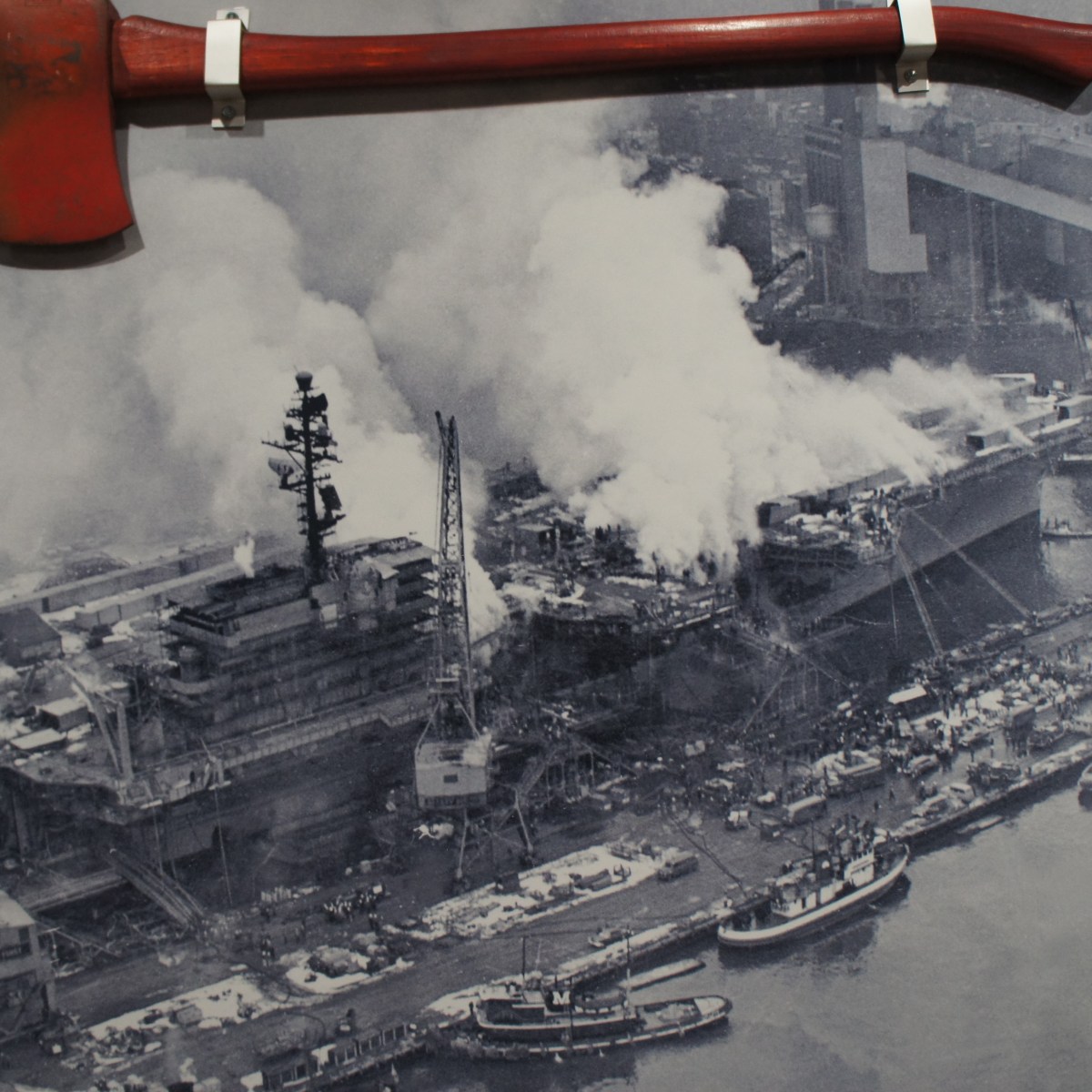
Disaster at the Brooklyn Navy Yard
In my novel, Breathing Water, Tony’s father works at the Brooklyn Navy Yard, along with ~70,000 others during the WWII peak and ~10,000 others during peacetime. They mostly built battleships and aircraft carriers and did repairs on any number of other types of ships. The USS Arizona (sunk in Pearl Harbor) and the USS Missouri…
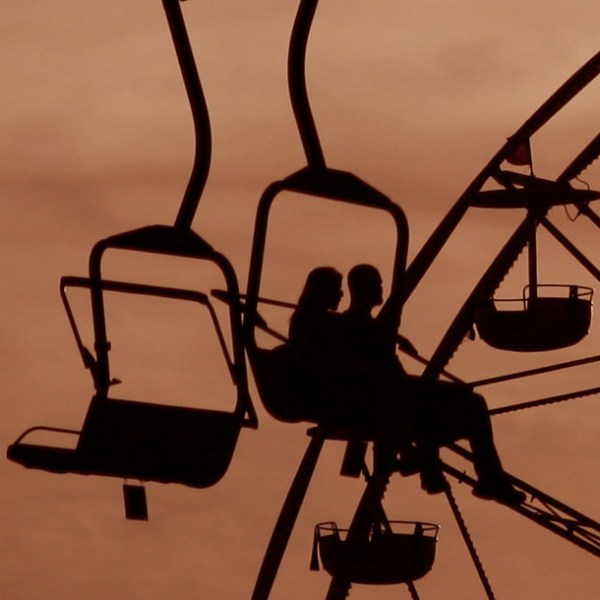
Dating in the 1950s: Romantic and Dangerous
Dating became more formalized in the 1950s and also less chaperoned than in earlier generations. Although dating originated at the turn of the century, it continued to evolve away from courting rituals where men interacted with potential spouses in the girl’s parents home or in very public venues. Labor of Love: The Invention of Dating…
 Donna Barten