Hidden Aches

And Thank You For Asking- It’s a Long Game

I just finished my second novel, Imprint and Inheritance. It’s hard to say “finished” when I’ve been intensely writing and editing it for about four years, and at some point in the future it will surely be edited again before any of you see it. But it’s finished to my satisfaction. For now. I’ve shared it with four beta readers and a sensitivity reader, edited it again, and now sent a query package to the first round of eight agents. I’ll keep sending it out until I find an agent, and then they will do a similar thing until they sell it to a traditional publishing house . . .  at least that is the dream.

An agent’s job isn’t easy. They spend most of their time promoting the clients they have, then on their “free time”, they go through the queries they get from new authors. Also included in their free time is reading requested manuscripts, and reading in general, which is the pleasure that usually gets them into the business. Agents typically get 100 queries per week. They’ll request to see a full manuscript 1% of the time, often less. An established agent will sign on, maybe, one new client per year. That’s why we writers have to spend so much time querying. There are a lot of stories out there with an author’s heart attached to it. Hoping.  

Sounds daunting, doesn’t it? I’ve been seriously writing fiction for ten years now. It’s been fun, tedious, energizing, enervating, and something to occupy my mind as I’ve continued to learn the craft of writing. I don’t regret all those hours. I’ve created a beautiful piece of work and have already started thinking about the next.

Which brings me to the second part of the title of this article. Thank you for asking. I have many friends who periodically ask how things are going with the book. I often don’t have much to update, these big milestones are few and far between. Sometimes it gets embarrassing, as if nothing is happening, but really, I’ve made steady progress and continued to work right along on it.

This summer, someone I barely knew asked me what the book was about. They were a neatly-dressed and composed person with a family and job and a house. I think you’ll know who you are, because that person signed up for my email newsletter right away. It happened to be at a time when I was starting to wonder if anyone would even want to read my book. It’s about a family with mental illness and alcoholism and how the trauma of growing up with all that passes through several generations. It’s about the interplay of genetics and environment and how they can create susceptibility to mental health problems, substance use disorders, and poor lifetime health. It’s how children who grow up with those things still carry a slight ache inside. Hidden. Not a light and happy topic, even though it’s also about resilience.

As I described the book, the person I spoke with just about jumped out of their chair. It was almost as if I had written the book just for them and they wanted to read it as soon as they could. You see, that person had those problems while growing up as well. I think they felt seen and understood and the pain they’d secretly lived with didn’t have to be so secret all the time.

In 2023, one in four children in the United States had a parent struggling with substance use disorder, including alcoholism. Another survey estimates that about 4% of parents had a serious mental health event in the past year. Often there are overlaps. One in five high school students surveyed experienced at least four adverse childhood events. The original ACE study in 1998 had ten categories, but I’ve just read a more recent study that looked at 55 categories of adverse events.

The higher the ACE score, the higher the risk of mental and physical disorders later in life, as you can see within the generations in Imprint and Inheritance. Those are risk factors, NOT templates for a future, and more recent studies are working on identifying and encouraging PCEs, protective childhood events, in those who need them.

Resilience is strong within the human family, but these numbers show how many seemingly ordinary adults carry little nuggets of pain from childhood. Perhaps reading Imprint and Inheritance will help them gain some perspective, including that they’re not alone in their experiences.

That conversation this summer buoyed me on. Thank you for asking.

As you can see above—it’s a long game. Growing a novel is like starting perennial flowers from seed. You must be patient. There will be no blooms the first year. You tend them and hope the plants survive the winter. Sometimes they don’t. Sometimes they need multiple years to have a display of blooms that create the vision you hoped for. This year my anenome saponica flowers begun in 2023 were finally as gorgeous as the ones I admired in Scotland and had wished for my own garden.

Wish me luck with Imprint and Inheritance; I’ve already gotten my first rejection. I hope this novel can get to the people for whom it will more than resonate. Once I find an agent (which can take a year…!), it will take at least a year, usually more, before it’s published. So, hang in there. It’s a long game and thank you for asking. Thank you for caring.

Psychiatric Holocaust

Eugenics and the Monstrous Objective of “Racial Purity”

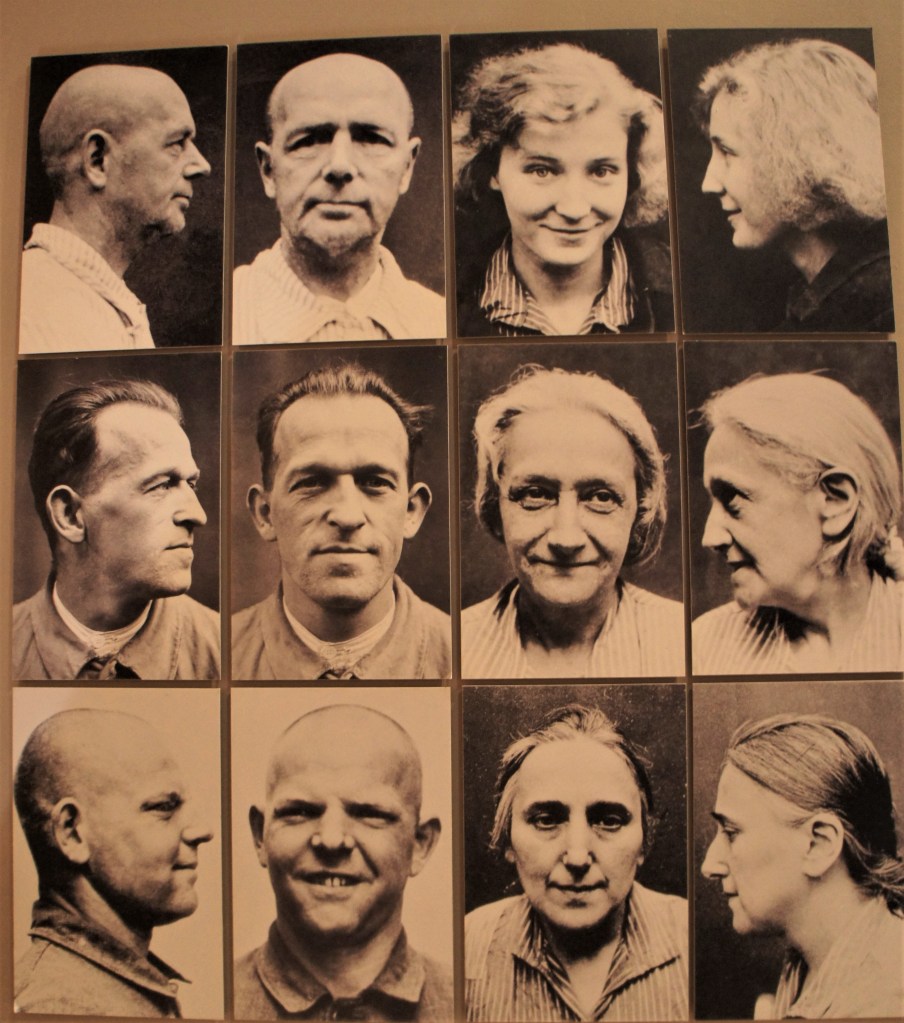
Victims of the Nazi T4 Program- Museum of Dr. Guislan

The Nazi Party embraced an ideology of purifying their population from anyone deemed genetically inferior—to create a master race that would take their “rightful place” as the masters of Europe. It was at the top of Hitler’s agenda and he and his henchmen worked hard to make it happen.  Although much has been published on the concentration camps that sterilized and exterminated European Jews, along with gypsies, homosexuals and other “undesirables,” most people don’t know about the preceding systematic sterilization and, finally, execution of the mentally ill.   

By the time Hitler came to power in 1933, the field of Eugenics was firmly established in Europe, the United States and other nations.  It was based on the faulty extension of Darwin’s work to humanity, initially promoted by Sir Francis Galton, Darwin’s cousin, in 1883.  Mental disorders, and particularly schizophrenia, were believed to be genetically transmitted as a Mendelian recessive gene in the population.  Nazis reasoned that if those with these disorders or other imperfect characteristics were prevented from reproducing, then these genes would disappear from the general population. 

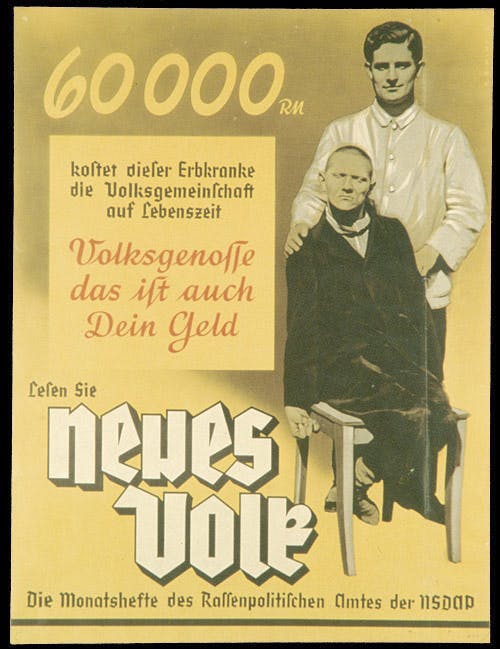
Part of the justification for later “euthanasia,” endorsed by many prominent psychiatrists in both Europe and the US, was economic.  Educational campaigns in Germany emphasized how much each mentally ill patient cost the government and the taxpayers, especially between the World Wars when cash-strapped Germany was suffering from economic retribution by the victors of WWI.   

This poster promoted the Nazi magazine Neues Volk, the caption reads: “This hereditarily ill person will cost our national community 60,000 Reichsmarks over the course of his lifetime. Citizen, this is your money.” 1938

US Holocaust Museum, Public Domain

The eugenics field recommended sterilization of the mentally ill and it became common practice in many Western countries.  In the US, Indiana required it by law in 1907, and by the 1930s the majority of states followed suit.  Heinous forced and improperly disclosed sterilizations were also performed by the US government on Black, Puerto Rican and Native American women through the 1970s with the express purpose of reducing their populations.

The Nazi regime in Germany became fanatical about eugenics and racial purity, taking it further than any other country.  They required psychiatrists to fill out forms about all their patients to provide a database of those who should be prevented from reproducing.  Many psychiatrists enthusiastically supported the government policy and the Law for the Prevention of Hereditary Diseased Offspring was passed in 1933.   Approximately 400,000 Germans, many living in the community, were subjected to involuntary sterilization.  An estimated 26% had schizophrenia. 

Hitler and his cronies wanted to take it further, but they knew they had to be careful of public opinion, even in Germany.  The quiet authorization of the T4 program to murder mental health patients was signed by Hitler himself. It was backdated to September 1, 1939, the start of WWII and the invasion of Poland, in order to link the order with the war. They were judged as “useless eaters” having “life unworthy of life.” “As the fanatical Dr. Pfannuller in the Nazi program put it: ‘The idea is unbearable to me that the best, the flower of our youth must lose its life at the front in order that feebleminded and irresponsible asocial elements can have a secure existence in the asylum.’”  (The Nazi Doctors by Robert Jay Lifton) Using the records collected earlier, 70,273 patients in mental hospitals were exterminated in the program.  

In order to expedite the execution of so many people in such a short period of time, the German authorities invented fake shower rooms for the administration of carbon monoxide to kill a groups of compliant and unsuspecting patients. When the program was dismantled, many of the psychiatrists and other workers were transferred to the concentration camps where they continued to refine this “efficient” method of mass execution. 

Gas Chamber at Auschwitz- US Holocaust Memorial Museum

There were German psychiatrists and doctors whose job it was to make up medical reasons to put on the death certificates of these murdered patients, because the Nazis knew it would not be popular and they loved orderly paperwork. After families began noticing the link between having their loved one transferred to a new facility, then getting a death notice shortly afterward, protests began, including by Catholic and Protestant churches.

As a result, the formal T4 executions were ended in August 1941, but the killing didn’t stop for psychiatric patients, it just changed form.  Institutionalized patients were divided into two groups and given two different diets.  Those who could work for the state were given a diet with minimal calories and those who could not were given starvation diets.  And starve they did.  In the end, 200,000 to 275,000 patients with schizophrenia were eliminated.  That was estimated as 70 – 100% of the schizophrenic population in Germany and was expected to reduce or eliminate transmission of the disease to the next generation. 

But the evil intentions of the Nazis failed in this as well.  Yes, after the war there was a very low incidence of schizophrenia because the individuals from that generation had been killed, but in the succeeding generation, there was an INCREASED incidence of schizophrenia in the population relative to other countries and the previous historical rate.

How can that be?  Well it turns out that schizophrenia arises from a complex interplay of genetic and environmental factors.  Rather than a single recessive gene causing the disease, there are hundreds, or even thousands, of genes that slightly increase susceptibility to the disease, and these genes are widely distributed within the population.  So although there is an increased risk of someone being diagnosed with schizophrenia if they have a relative with the disease, the risk is still pretty low.  Even for identical twins, with identical genes, the chances of the second twin getting the disease if the first one has it, is only ~50%.  So it would have been impossible for the Nazis, or anyone else for that matter, to eliminate the gene pool that lends susceptibility to schizophrenia. 

Psychiatrist Karl Brandt who promoted the T4 campaign has the white lapels- Photo from Bundesarchiv, Bild 183-H0422-0502-001 / CC-BY-SA 3.0,

Also, if you consider environmental factors, things were pretty grim for the German populace after WWII.  There was famine, disease and widespread poverty, as well as the humilation of a second defeat in war.  That is the most likely reason more individuals with potentially susceptible gene combinations were affected in utero and during their life experiences to develop schizophrenia.   Thankfully, after the war and the atrocities of the Nazis came to light, eugenics was abandoned by the Western World.  The hubris of these scientists and psychiatrists led to immense evil because they forgot their humanity and did not have the humility to understand they could be wrong, and they were.

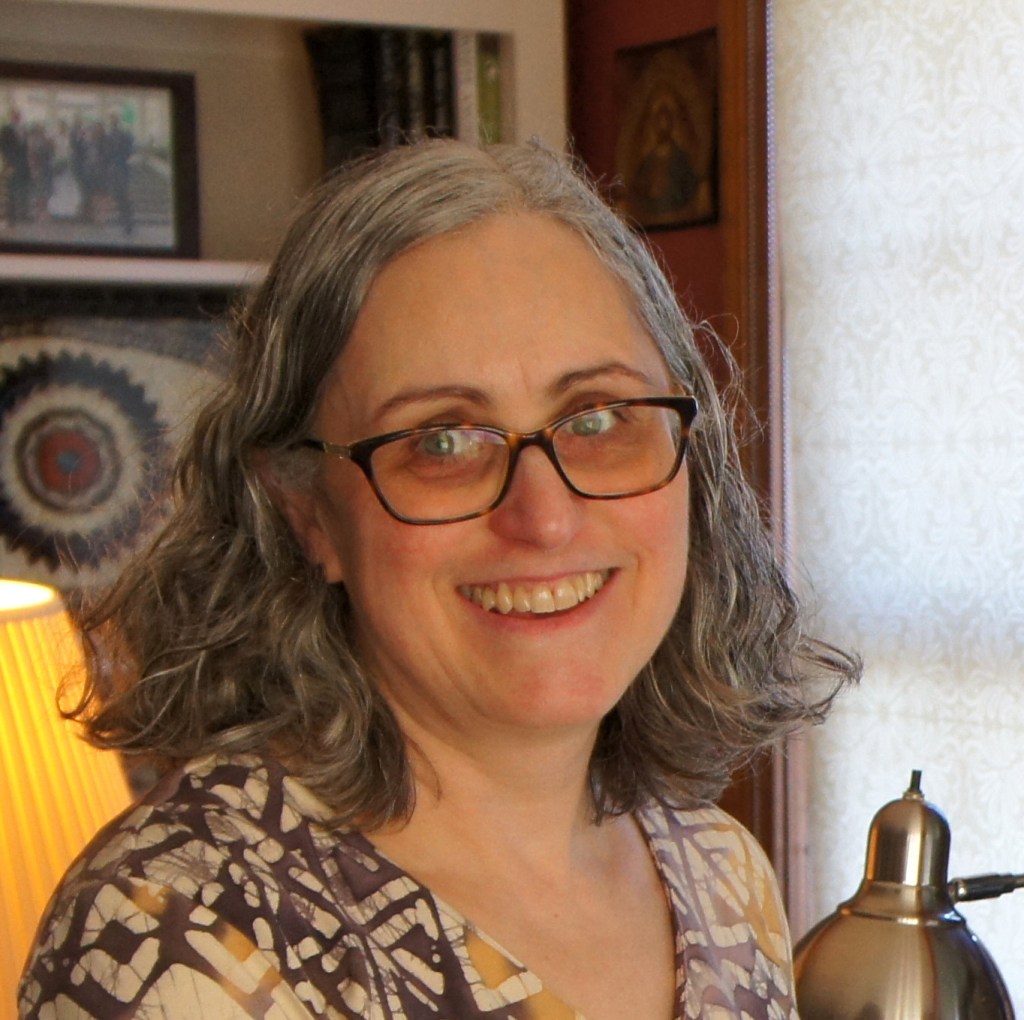
Donna Barten is a novelist and scientist working on her second book Imprint and Inheritance.

Creativity and Mental Health Challenges

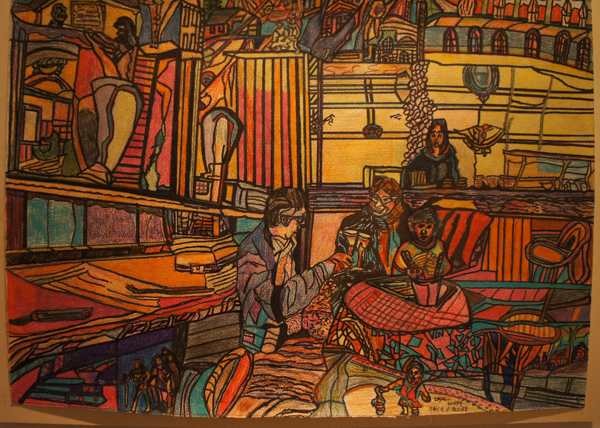
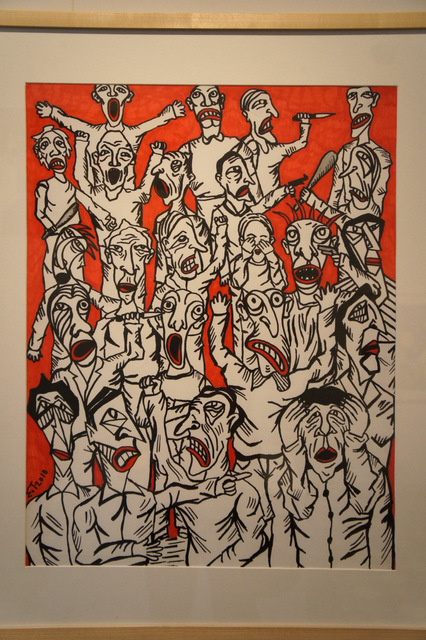
Color Pencil Drawing by Ronny Engelen

Many people know that Vincent Van Gogh was institutionalized during much of his creative lifetime and that he painted the famous Starry Night at the asylum of Saint-Paul-de-Mausole.  He cut off his ear after an argument with Gaugin and eventually committed suicide.  Other famous artists have also struggled with mental health issues, which is no surprise because some of the best art derives from the pain in our lives. 

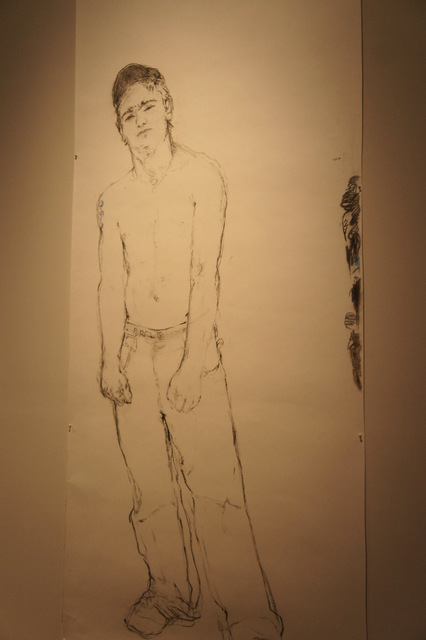
Here are some paintings I saw on exhibit at the Museum Dr. Guislan in Ghent, Belgium.  Traveling with me can be a little unusual, as not everyone wants to see a museum dedicated to the history of mental health care.  Thankfully, my husband was game and he seemed to enjoy it.  Anyway, they also exhibit art from those who struggle with mental health issues and I loved so much of it. Push the arrows to see the slide show. There is art from Leo Neervoort, Minke de Fonkert, Livia Dencher, Jikke Van Loon, Ronny Engelen, and Edward Teeuw. I apologize to 3 artists whose names I failed to capture.

Schizophrenia is the form of illness we most associate with the older terms “mad” and “crazy,” and with the symptoms of psychosis, defined here by Dr. Ken Duckworth at NAMI

Psychosis is characterized as disruptions to a person’s thoughts and perceptions that make it difficult for them to recognize what is real and what isn’t. These disruptions are often experienced as seeing, hearing and believing things that aren’t real or having strange, persistent thoughts, behaviors and emotions. While everyone’s experience is different, most people say psychosis is frightening and confusing.

One would think schizophrenia was a cut and dry diagnosis by now.  But, there are several related diseases (including schizophrenia, schizoaffective disorder, bipolar disorder, schizotypal personality disorder and many others) that share the symptom of psychosis.  Many patients are given different diagnoses by different doctors, even though there is a manual, DSM-5, that tries to clearly lay out criteria for each mental health disorder.  That’s why author Esmé Weijun Wang calls them “The Schizophrenias.”  The DSM criteria can be helpful, but the National Institutes of Mental Health found they were not as useful for research purposes while investigating causes and treatments.  So they are developing their own set of disease criteria based on symptoms and biomarkers.  There remains a great deal of controversy over how to define mental health disorders.

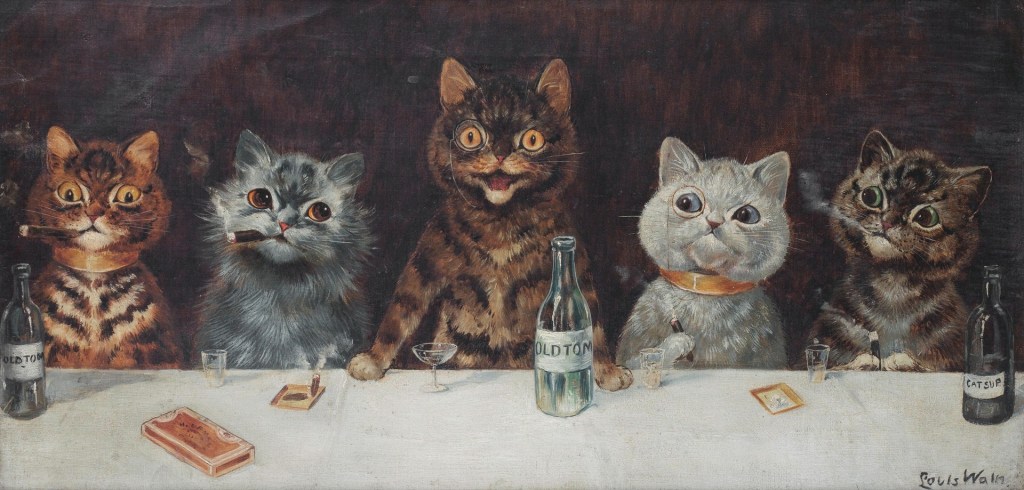
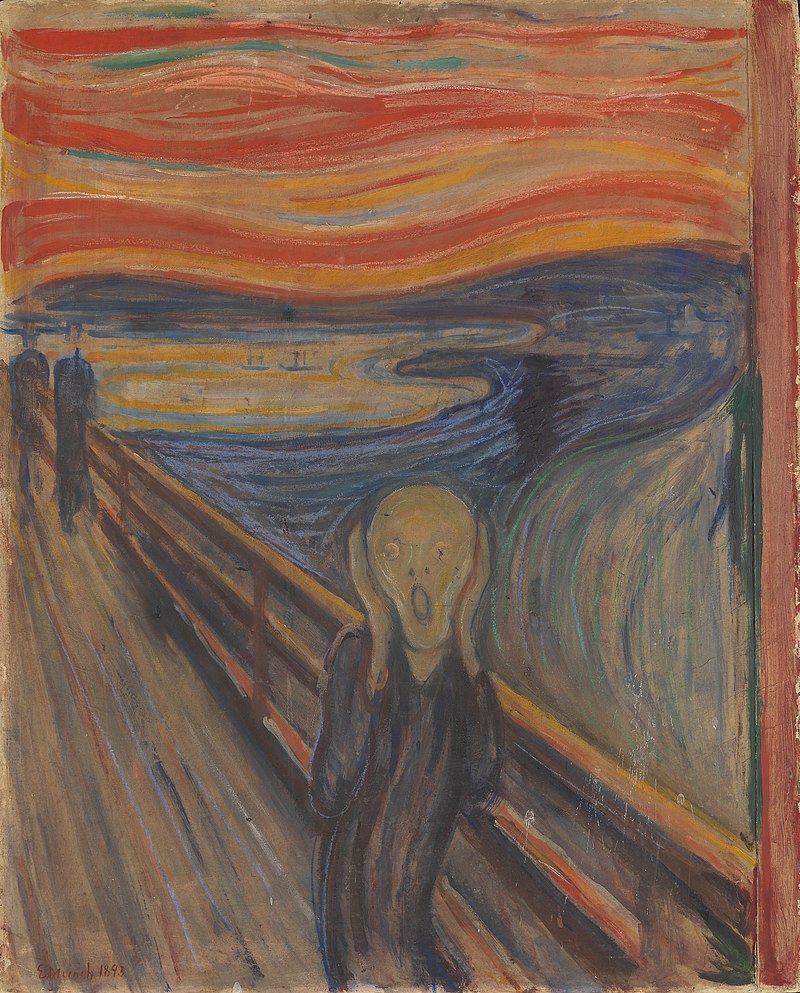
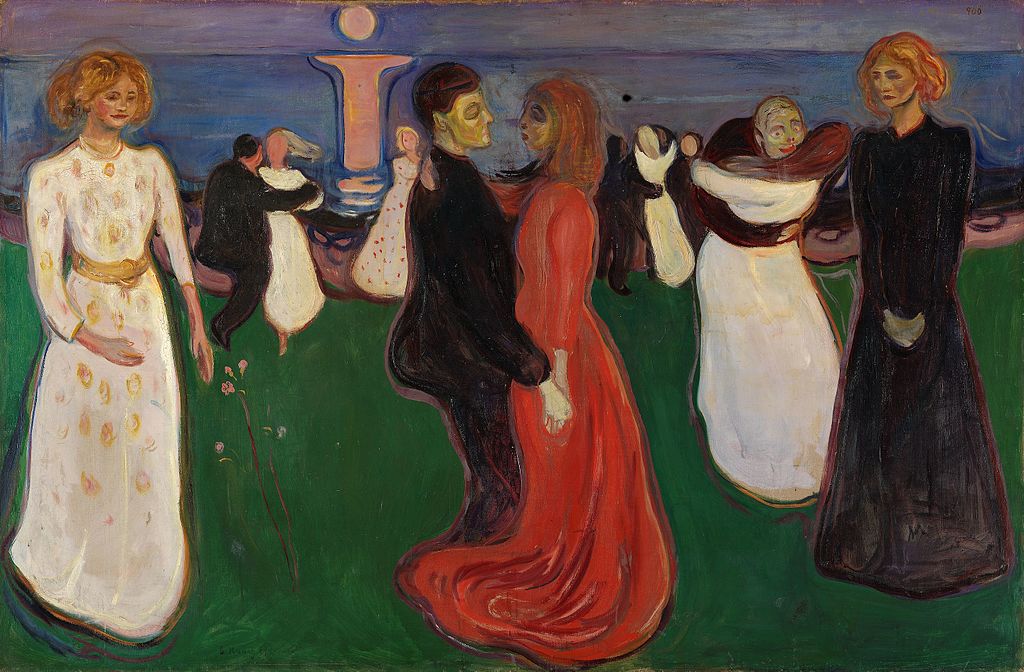
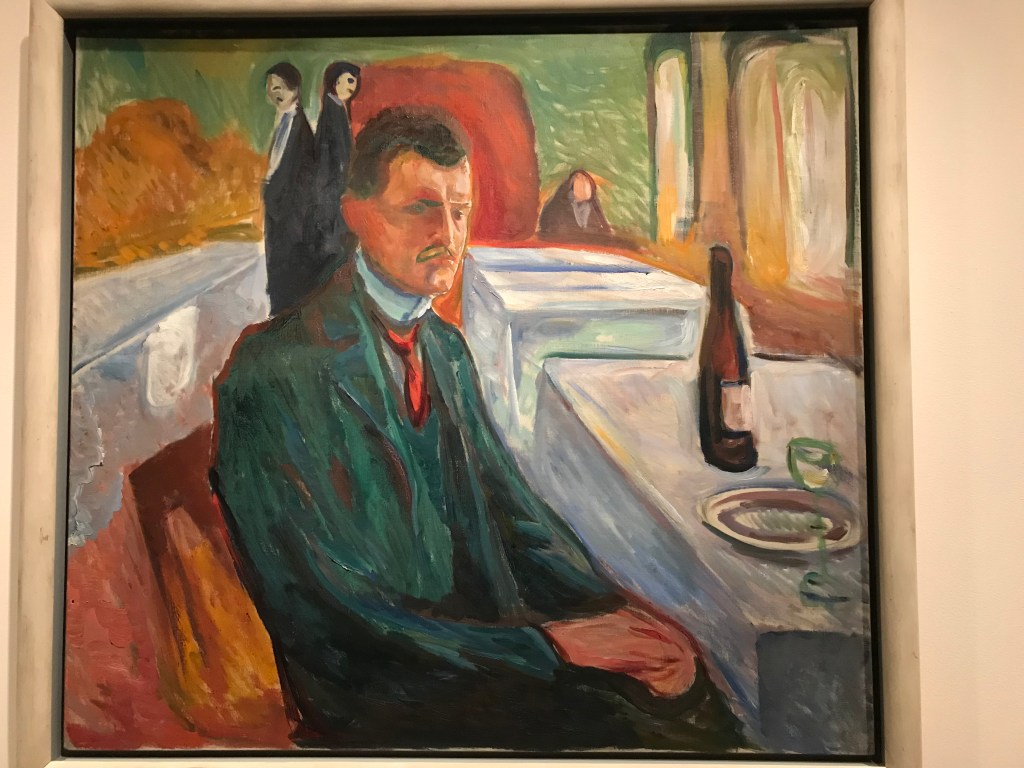
Beyond Van Gogh, some of the other famous artists whose names come up most frequently with diagnoses (often post-hoc, and therefore tenuous) of schizophrenia and bipolar disorder are Louis Wain (human-like cat paintings) and Edvard Munch (The Scream, The Dance of Life, Self Portrait with a Bottle of Wine). Zelda Fitzgerald, the wife of famous F.Scott Fitzgerald and the basis of the character Nicole in Tender Is The Night, produced skillful watercolors while she was institutionalized (Times Square & Washington Square).  

Yayoi Kusama, famous for her polka dots, has lived in a mental institution for over 40 years, yet goes to her studio every day to create her avante-guarde work.

How can someone with schizophrenia or a number of other mental health problems create great art?  I try to understand what having the disease feels like because Fiana, Colleen’s mother in my novels Imprint and Inheritance and Breathing Water, is schizophrenic. Neuroscientists know that the brains of individuals with mental health disorders function differently and show some wiring differences from other people.  Sadly, many are so debilitated that they have a hard time functioning in society and cannot create anything. 

But others identify as having high-functioning schizophrenia and can be very creative.  Esmé Wijun Wang, a brilliant author writes about managing a productive and fulfilling life in her book, The Collected Schizophrenias.  She is married and has many friends. She reflects:  “Over the next decade [as she was learning to cope with her disorder], I would occasionally consider the utility of seeing psychosis as an ability:  I could improve my mental health by thinking of schizoaffective disorder as a tool to access something useful, as opposed to a terrifying pathology.  As Viktor Frankl says in Man’s Search for Meaning, we want our suffering, if it must be endured, to mean something.”  Here’s a website celebrating other high-functioning persons with schizophrenia as an inspiration for others.

There are two observations that might help someone with the schizophrenias in the visual arts to be creative in a new way.  The first is that early in the disease, it is very common for patients to have enhanced sensory perceptions, especially of vision. Here’s a quote from a patient cited in Surviving Schizophrenia by E. Fuller Torrey, MD.

“Colours seem to be brighter now, almost as if they are luminous painting.  I’m not sure if things are solid until I touch them.  I seem to be noticing colours more than before … Not only the colour of things fascinate me but all sorts of little things, like markings in the surface, pick up my attention too.”

Also the brains of persons with the schizophrenias have a hard time gating out irrelevant information.  We normally do that without thinking. For instance, now that I pay attention, I can notice the sound of an airplane flying in the distance, the wind shifting the leaves and birds and insects making noises through my window.  Until I put my attention there, I was oblivious to those things because my brain is able to focus on the task or the conversation at hand.  Here is a description from another patient quoted by Torrey.

“Everything seems to grip my attention although I am not particularly interested in anything.  I am speaking to you just now, but I can hear noises going on next door and in the corridor.  I find it difficult to shut these out, and it makes it more difficult for me to concentrate on what I am saying to you.” 

In his 1974 textbook, Interpretation of Schizophrenia, Dr. Silvano Arieti described the connection between the disease and art:  “The schizophrenic experiences the world in fleeting, fugitive ways that are not only different from the ones he perceived prior to the psychosis, but also from those perceived at different stages of the illness.  His world tends to be in constant and turbulent metamorphosis.  … Great artists and the mentally ill are shaken by what is terribly absent in our daily reality, and they send us messages of their own search and samples of their own findings. … In some of his works, we hit unsuspected treasures of concentrated meanings.” By the way, Dr. Arieti is the inspiration for Dr. Perkins in Breathing Water.

Dr. Arieti goes on to describe how art therapy can be helpful for patients to express what they cannot say in words, but also to help the psychiatrist in guiding therapy.  I appreciate his sentiment that there is value in their perceptions and creations. I also love that the scientific journal Schizophrenia Bulletin uses art from patients on its covers. 

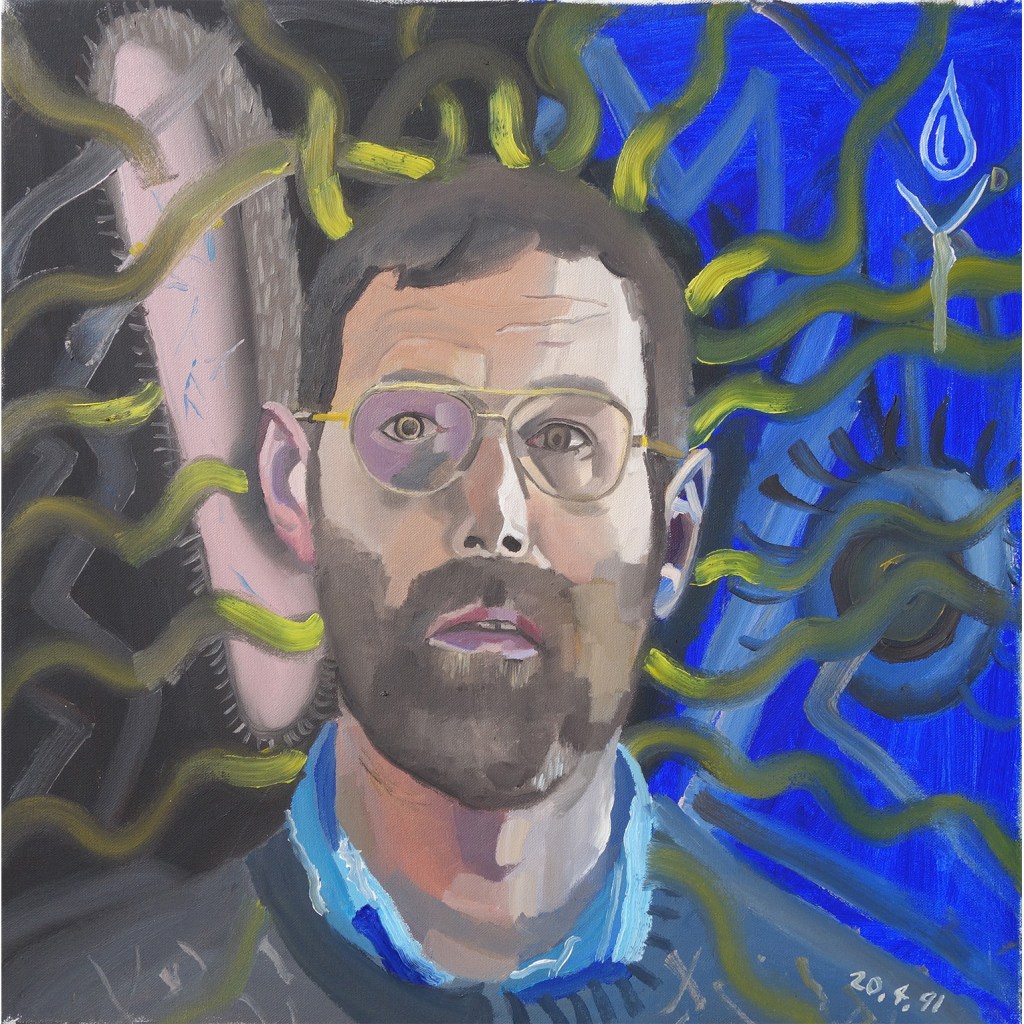
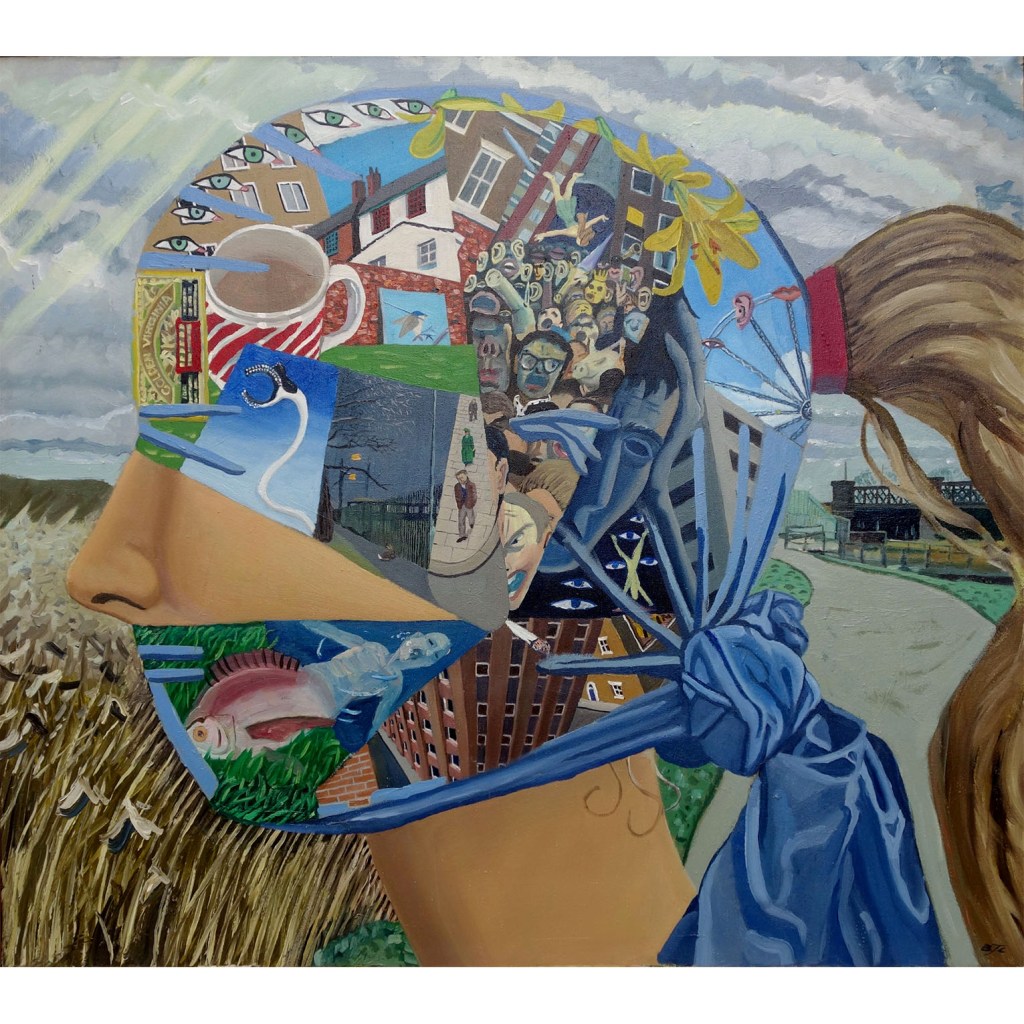
Bryan Charnley was an artist struggling with schizophrenia who wanted to relate to others how he experienced his disease. He produced a series of Self Portraits and Bondage Head paintings that conveyed his interpretations. Unfortunately, his pain and delusions became so great that he committed suicide. His art, his accompanying explanations and his life emphasize how difficult it is to live with the disease. A book, Bryan Charnley: Art and Adversity, gives even more paintings and descriptions of his life and work.      

Paintings in the Wellcome Collection, used by permission of the family

About 1% of any population has schizophrenia and the numbers are even higher for bipolar disorder at ~ 2.6%.  In the next blog article, we’ll see what happened when Hitler and his henchmen tried to engineer mental illness out of the German population. 

Donna Barten is a novelist and scientist working on her second book Imprint and Inheritance.