What Makes a Fox Tame?

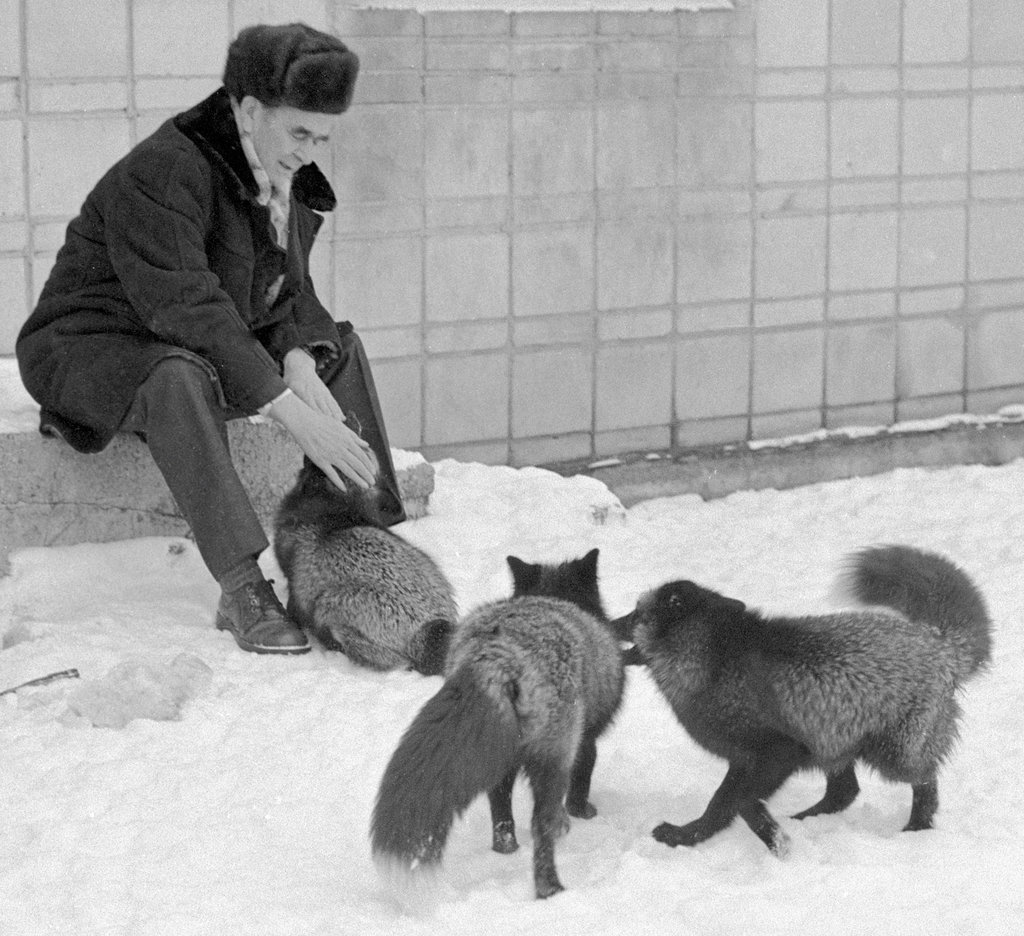
Dr. Trut with a Tame Fox

Thanks to my friend Nora, another dog lover, for recommending the 2017 book:  How to Tame a Fox (And Build a Dog) by Lee Alan Dugatkin and Lyudmila Trut.  The book chronicles an extended experiment done in Siberia started in the 1950s by two amazing geneticists, Dmitri Belyaev and Lyudmila Trut. They risked their careers and lives during a time of Soviet animosity toward geneticists, using foxes to probe basic questions about how animals become domesticated. I was fascinated by their work and wanted to check out what has happened since publication of the book.

Creating Tame Foxes

Dmitri noticed that domesticated animals shared certain, mostly juvenile, features not common in adult wild animals:  floppy ears, curly tails, more rounded facial features, and coat colors with patches, blazes and spots.  No wonder I call my dogs babies.  But not all animals can be domesticated.  Although the zebra can sometimes be bred to a horse, showing a close genetic link, European colonists in Africa were never able to domesticate the zebra, which, unlike horses, were resistant to diseases transmitted by the tsetse fly. 


Dmitri Belyaev with domesticated foxes in March 1984. Photo Credit: Sputnik, via Alamy

The Soviet Union was breeding foxes in farms for the lucrative fur market.  Red foxes had already been bred into a more prized silver coat color by Canadians and the Soviets developed their own colonies from these animals.  They were kept single-housed in cages and were particularly aggressive.  The caretakers needed to wear thick gloves, even while providing food, as the foxes snarled and snapped.  A miserable life for the animals and not very nice for the caretakers either.

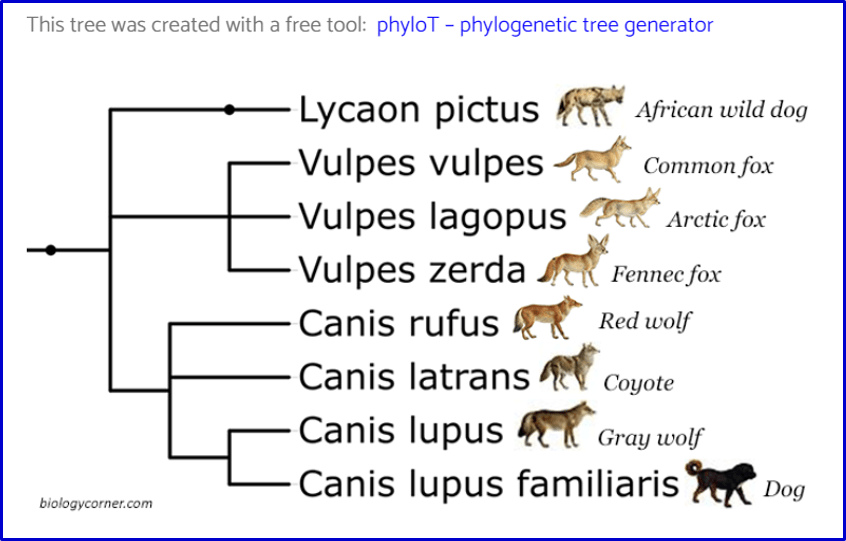
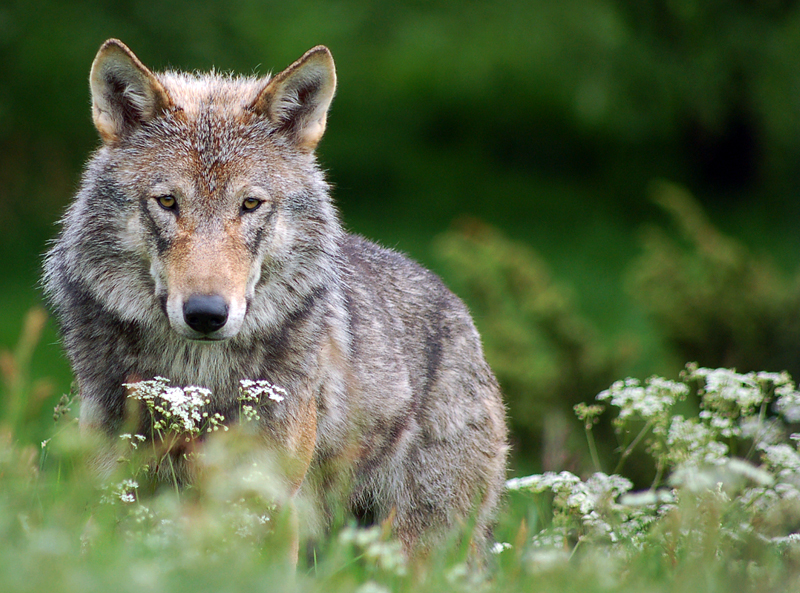
The experiment was simple.  Look for the least aggressive foxes during this normal handling, breed them together and then keep breeding the animals that were calmest around humans.  Like with zebras, the experiment could fail, but they had hope because domesticated dogs and wolves both originated from a common ancestor.  There was a chance it would work and it could be justified with the Soviet authorities economically to allow the project to proceed. 

Within 3 generations they began to see significantly calmer behavior around humans, and within 4 generations they had a lone pup, Ember, who wagged his tail for them.  It took several litters for this behavior to show up in Ember’s pups, leading to a line of foxes with tail wagging propensities.  By the 5th generation, they were finding pups who wanted to nuzzle up to the humans and would lay on their backs for a tummy rub.  In each generation, larger percentages of the pups would display these behaviors, and by generation 8, some of their tails began to curl.  Their natural puppy playfulness lasted longer than the normal foxes and some even began to maintain non-aggressive eye contact with their caretakers.  In the 10th generation, Mechta became the first fox to keep floppy ears into adulthood.  These more juvenile physical features, in different combinations in different individuals, were showing up based on selection only for behavior.  Vocalizations similar to human laughter also began to appear and the foxes were able to respond to human training and hand signals like dogs.  Amazing!

Fox bred for dog-like behavior towards humans.

Photo Credit: Jennifer Johnson, Darya Shepeleva, and Anna Kukekova

What Caused the Apparent Domestication?

The scientists wanted to understand how these changes were happening and compared the tame colony of foxes with another group purposely selected for aggressive behavior toward humans.  It was hard to find caretakers willing to care for this aggressive group, but they have been invaluable for comparison.  These carefully bred colonies of foxes were almost lost in the break-up of the Soviet Union and subsequent changes, but support from the world wide scientific and humanitarian community helped save the foxes.  It’s unclear if these Russian foxes can be adopted into the US, but it looks like there have been importation issues and scams. Beware that they are still much wilder than a domesticated dog and can be quite a handful to care for…. super high energy, dig a lot and have a propensity to mark with very strong smelling urine.

There is scientific controversy over whether this population of foxes was really a good example of domestication because tame foxes also appear to have existed in the original Canadian colony of silver foxes, but in my mind that does not diminish the value of having those two distinct populations of foxes for comparison.  They behave consistently on opposite ends of the spectrum of behavior toward humans. 

Lyudmila and her colleagues had to make good guesses about what might be different between the tame and aggressive foxes and then measure those things one at a time.  That was the state of science at the time and later studies verified those results.  There was not too much surprise that the levels of stress hormones were higher in the aggressive than the tame foxes.  It was also consistent to find higher levels of the neurotransmitters serotonin and dopamine in regions of the tame fox brains as they are often called “happy” and “feel good” neurotransmitters.  Higher levels of glutamate, the primary excitatory neurotransmitter in the brain, and molecules involved in its signaling were observed in the aggressive lines.  Fetal development and even hippocampal regenerative capacity (associated with a more supple memory forming apparatus), were found to have been altered in the tame animals.  These may explain how some of the physical and behavioral traits were linked.

It’s Complicated

More recently, scientists prefer to compare differences between populations at the genetic and transcript levels without making guesses.  This unbiased approach allows us to learn about changes we may not anticipate, and there are always surprises in such studies.  What does that all mean?  Well genes are encoded in our DNA blueprint and are the same all over the body for an individual.  Transcripts, or the messenger RNA transcribed from the genes, are the subset of genes actually used in each tissue and so vary with each tissue of the body.  It allows each cell type and tissue to have a different structure and function in the body, otherwise we would just be one big blob. Scientists can compare either the entire genome or the transcriptome to look for differences.

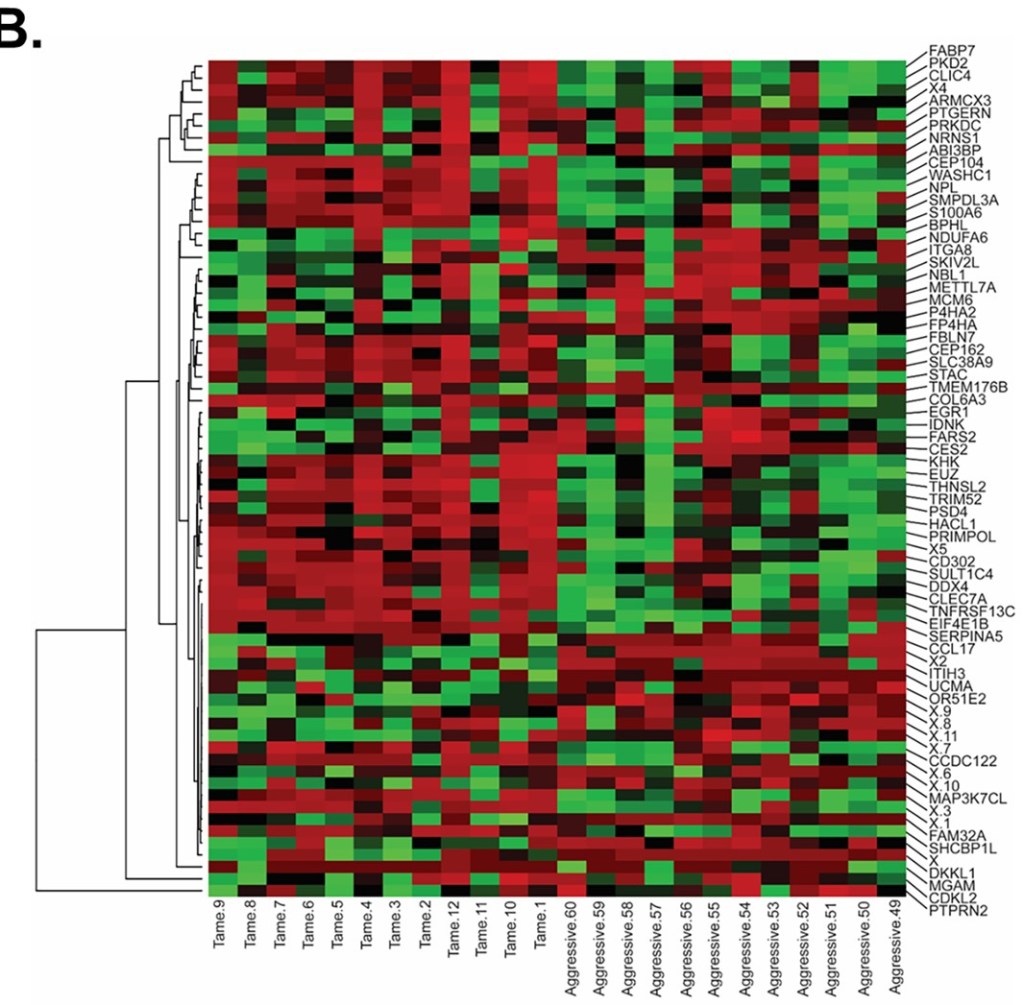
With these methods, 70 genes and 159 splice variants were different between the tame and aggressive lines over three brain regions.   Look at the heat map below of the transcriptome from the hypothalamus of a dozen each tame vs. aggressive foxes shown vertically.  Horizontally, the amount of expression for one gene is shown as an intensity between very low (bright red), medium (black) and very high (bright green). I think they’re pretty and hold a lot of information if you unfocus your eyes a bit and look at the overall color schemes on each side of the square.

Computer algorithms search the voluminous data for patterns while comparing each mRNA transcript between the two groups.  Overall you can see some transcripts are higher (green) or lower (red) in expression depending on whether the animal was tame or aggressive, but it isn’t consistent with every individual in the group.  Looks complicated, yes, and that’s my point.  Lots of things are happening- some changes may be causing many other changes in a cascade and there is not just one magic switch for it all.  Within those changes, patterns in different pathways were evaluated and found in the systems related to development, differentiation, and, surprisingly, immunity. 

There is much work to be done and new publications continue to pour out from analyzing these animals and what may have led them to be able to be sociable with people.  Although tame foxes are not the same as dogs and there are bound to be some differences, this is a fascinating set of experiments, now going on for over 60 years, due to the bravery and diligence of a few brave scientists in Siberia.

Dating in the 1950s: Romantic and Dangerous

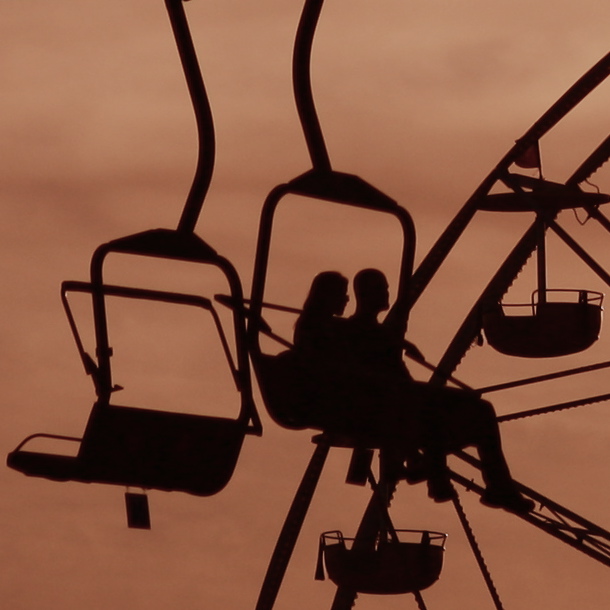
“Date” by Kevin Dooley

Dating became more formalized in the 1950s and also less chaperoned than in earlier generations. Although dating originated at the turn of the century, it continued to evolve away from courting rituals where men interacted with potential spouses in the girl’s parents home or in very public venues. Labor of Love: The Invention of Dating by Moira Weigel.

Clear Expectations and Romance

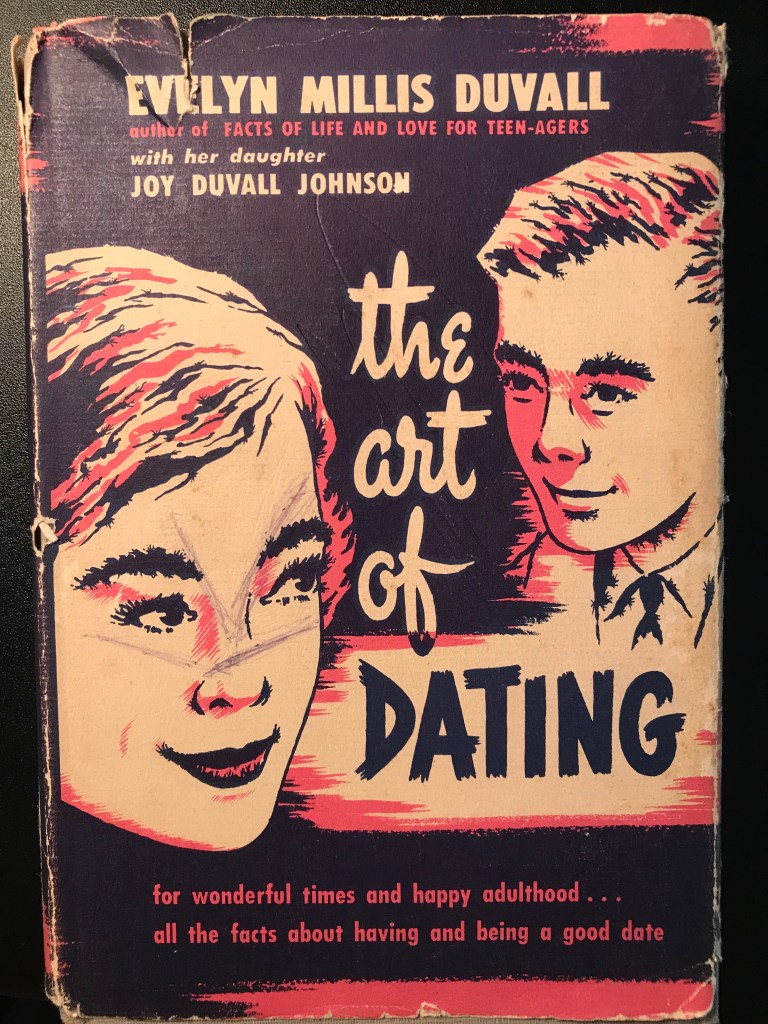
Social expectations for young men and women, referred to as boys and girls, were clearly understood.  Boys were expected to act like gentlemen and to mind their manners.  Girls were supposed to be pretty, dote on the boy, help boost his ego, and above all:  not get pregnant!  Here’s an excerpt from The Art of Dating, ©1958:

Movie manners:  While the fellow buys the tickets, the girl steps aside and looks at the stills outside to avoid the boy any embarrassment he may feel at the ticket window.  Once inside, the girl follows the usher to their seats, and the fellow follows the girl.  If there is no usher, the boy precedes the girl down the aisle, finds two seats, and steps aside so that the girl may be seated first; he then follows and seats himself beside her.    If the girl is wearing a coat or jacket, the fellow helps her out of it and arranges it comfortably over the back of her seat.  Then he removes his outer coat and hat and scarf and either places them under his seat or holds them in his lap. 

The boy may hold the girl’s hand if she has no objection, or place his arm over the back of her seat.  Such actions do not go beyond socially acceptable behavior.  They may whisper their reactions to the picture, or comment to each other about the characters or the plot, so long as they neither embarrass each other nor annoy their neighbors.

The boy would pay for every date in anticipation of his future role as sole provider in marriage.  Early critics of the new practice of dating suggested that this was equivalent to prostitution, with a meal and entertainment being paid instead of cash. The criticism was dropped, but there was an inherent sense that a girl owed a boy “something” for what he provided. A girl’s family wanted to meet the boys she dated, but the boy’s families didn’t expect to meet his date until things were serious and likely to head to marriage.  Girls had to wait to be asked on a date, and utilized various strategies to help make that happen with a shy boy.  If a girl was considered too smart, a “brain,” she might be intimidating to boys and was expected to play dumb.   

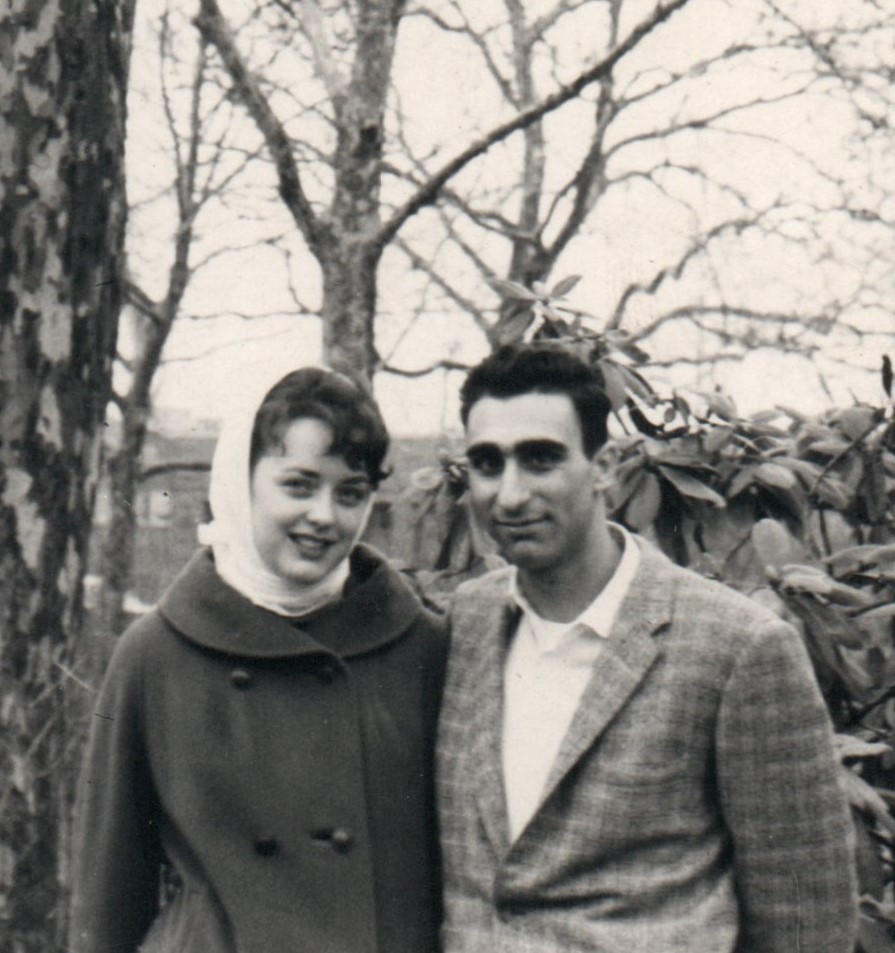
The author’s parents going steady 1959

Rock N Roll music was growing up, bothering parents with their brash sounds and superstars such as Elvis Presley and James Brown who moved their hips in a sexually suggestive manner.  Articles warning parents about the new “teen-ager” culture were featured in popular magazines.  A boy was particularly cool if he was a good dancer and the Lindy Hop was one of the favorites of the time. 

Adam began by rapidly twirling his partner around.  This worked best if she was wearing crinolines, those scratchy, layer cake-like underslips meant to be seen, so fashionable among teenage girls at the time.  Then he forcibly swung them away from himself and across the floor.  There was a 3 or 4 beat pause so that he could snap his fingers in a cool offhand way, making sure the other dancers had cleared enough space between them.  Then the girl ran directly toward him at top speed.  At the last second before they crashed together, he grabbed her and lifted her first to his left side and then to his right, up in the air and down between his legs, and then up in the air again for the grand finale.  It required an athletic partner.” Trying to Be Cool– Growing up in the 1950s Leo Braudy 

Dangerous Dating

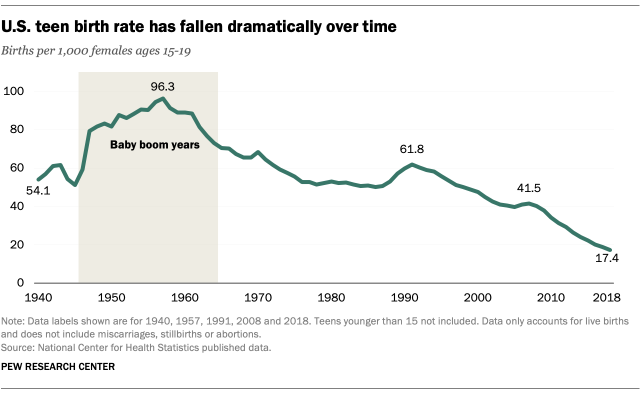
We think if it all as quaint now, but the 50s and early 60s was the time of highest teenage pregnancy in the US, despite all the warnings given to girls (without any formal sex education beyond books like Peyton Place).

This was also the period of earliest marriages in US history.  At age 19, 42% of girls were married, and by age 24, it was 70%.  Eventually 93% would marry and most would stay home to raise their children.  (New Passages– Mapping Your Life Across Time by Gail Sheehy)

Shotgun marriages were common to prevent shame and illegitimate birth.  In the following decade and beyond, the number of illegitimate births, especially among teen mothers, would rise significantly, presumably because of fewer unwanted marriages as the stigma of single mothers decreased.

The above statistics demonstrate the real danger of unexpected pregnancy leading to a sudden marriage in the 50s and early 60s.  At the time, the even newer practice of “going steady” was used in explanation.  So much so, that the Catholic Church, privy to the extent of hastily-arranged marriages, publically campaigned against the “pagan” practice of going steady. 

While steady dating is often construed as ‘marriage in miniature,’ the speaker [The Rev. John R. Cavanagh] said, ‘it is not preparation for marriage’ when the practice is devoted to individual pleasure.”  Parents were urged “to ‘do everything in their power’ to prevent the going steady of teen-agers and pre-teen-agers.  He declared, ‘It limits their friendships and if continued is likely to promote at best a brother-sister relationship in marriage.  In addition, it may lead to a consummated sin, even in their early teens.’”  NYTimes March 20, 1957


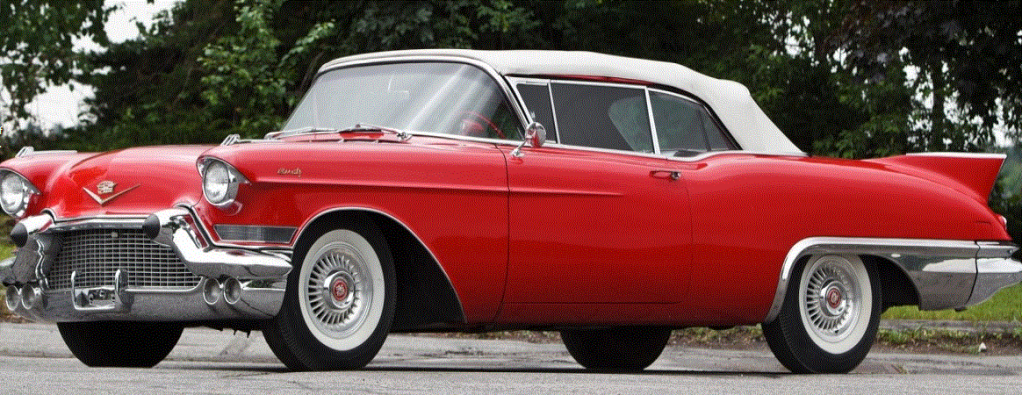
A 1957 Cadillac-Nice By Akote

Parking in cars was another factor leading to unexpected pregnancy. Many boys and their families had the means in the post-WWII prosperity to own cars.  After some public activity, often associated with a church or synagogue, parking required significant self-control when boys and girls had couch-sized spaces for necking and petting.  Sexual promiscuity in boys was tolerated, but was strictly taboo for “nice” girls.  This double-standard meant that preventing pregnancy was the responsibility of the girl. 

Since time immemorial the woman has been called on to be the one who maintains sexual standards in a relationship.  So the burden of the situation rests primarily on her.  If she allows premarital intercourse, it is she who is generally considered the fool.  If a pregnancy ensues, it is the girl who is ‘in trouble.

What does the guy think if his girl gets pregnant?  He may realize that he does not really love the girl.  He may wonder if perhaps she has trapped him into this predicament.  He may be haunted by the question, ‘if she went all the way with me, how can I be sure there have not been others?’  Few fellows want to get stuck with ‘a tramp.’The Art of Dating

The Happy Ending

Young ladies were expected to marry as virgins and become the helpmate to a well-providing young man and start a family.  This excerpt from The Best of Everything, by Rona Jaffe, © 1958, says it all: 

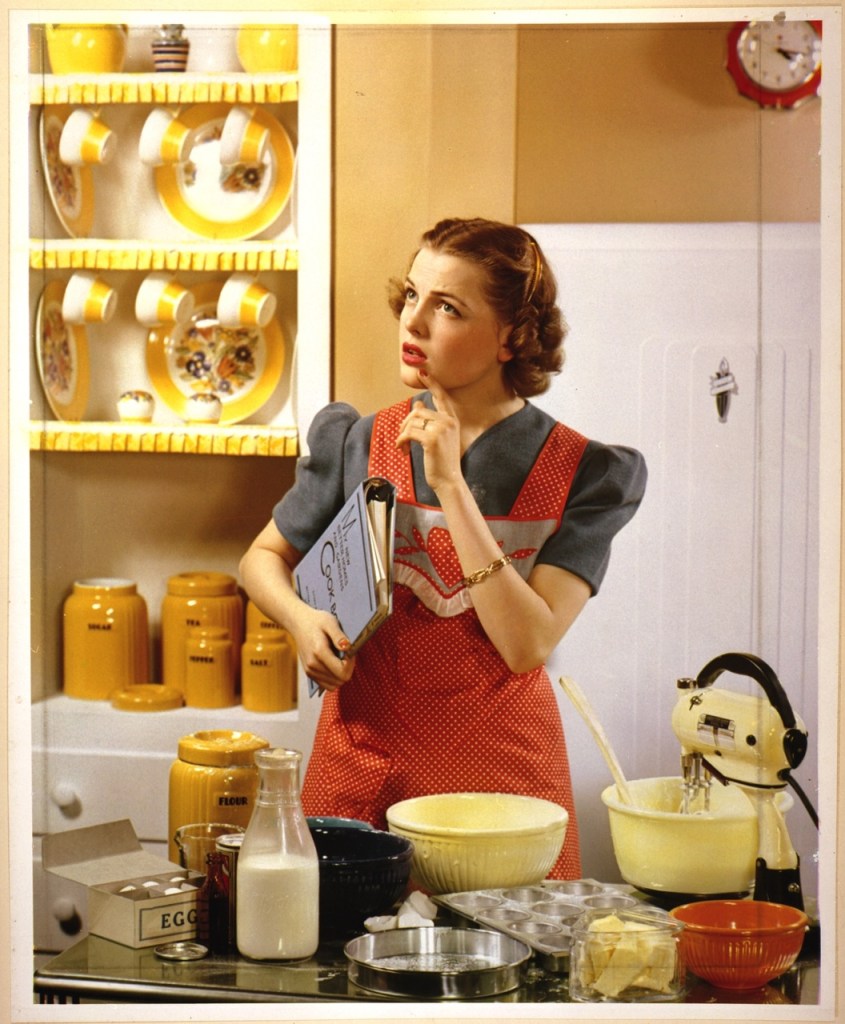
So now she was packing, saying goodbye to her apartment and to New York and to the job that she had never really liked enough to miss now.  How strange it would be to lie in bed every morning until ten o’clock, and to be able to cut out recipes from the newspaper and make things that Ronnie liked, and to know that there was someone who would come home to her every evening, who would want to come home to her, who would direct himself to his home as a bird flies south in winter, instinctively, for warmth and love and the life he needed.  Things that had never seemed so interesting before:  tablecloths in store windows, embroidered sheets, silverware, now took on a great significance.

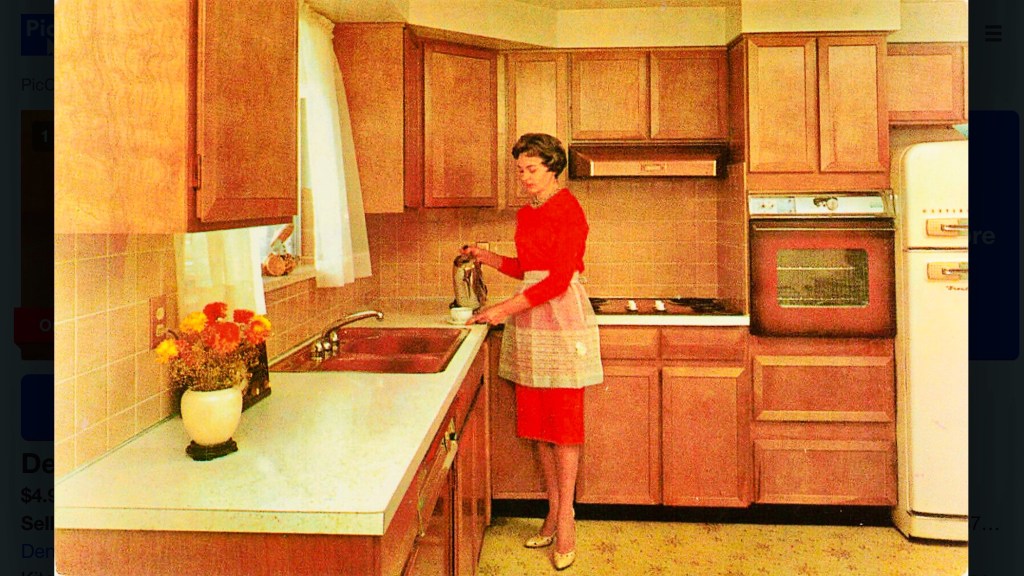
Modernette Kitchen by MasterCraft c.1950s-1960s

It was the next generation that would rebel against these expectations for both men and women and open up new opportunities for women beyond the home.  But this generation, sometimes called the Silent Generation, was a necessary bridge between the more conservative past and the sexual revolution and feminism of the sixties and seventies to come. 

The Cloisters Museum in Manhattan: a Peaceful Retreat in Life and Art

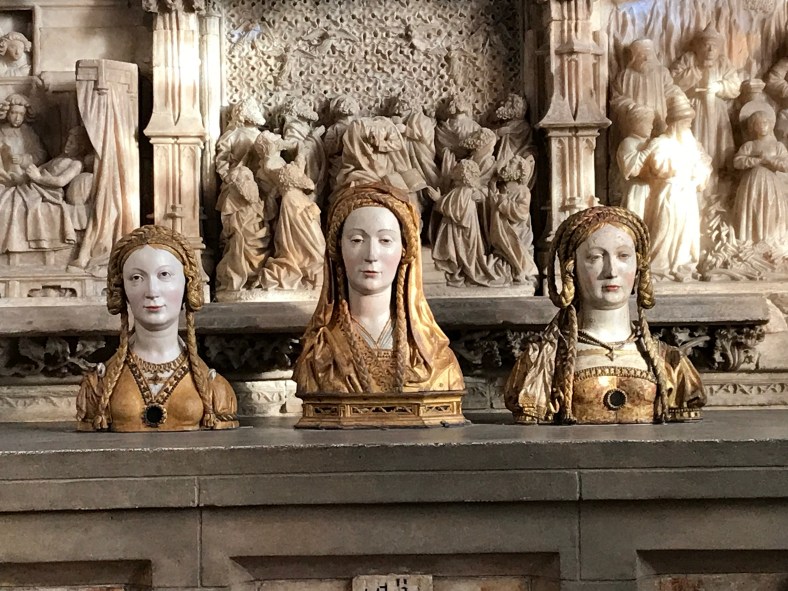
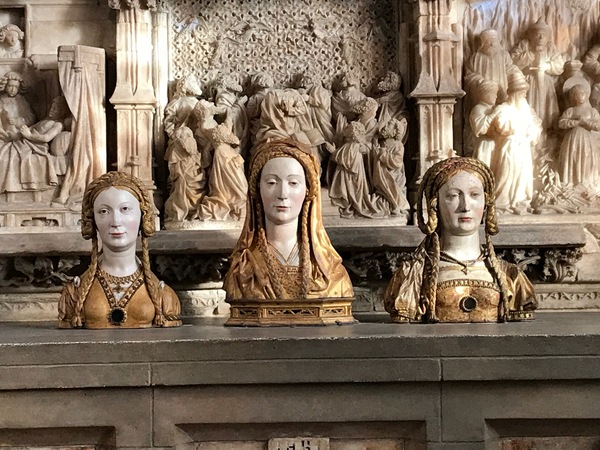
Reliquary busts of female saints, ~ 1525, The Met Cloisters

The Cloisters Museum, a branch of the Metropolitan Museum of Art, is an unusual oasis in the very northwest corner of Manhattan (Inwood). The museum is a collection of Medieval art and architecture highlighting the Romanesque and Gothic periods from ~1050 -1500.  Since the Catholic Church was the largest and richest power of the time, it is no surprise that Christian themes dominate.  The museum began as a collection of sculpture and architecture collected by the American sculptor George Gray Bernard prior to WWI.  The architectural elements were in a various states of decay, often as pieces incorporated into European gardens, stables and farms, mostly collected from France, Spain and Germany.  Bernard could not maintain the pieces he collected, so John D. Rockefeller, Jr. purchased them for the Metropolitan Museum of Art, added more pieces to the collection, purchased the land to create Fort Tryon Park and had the museum constructed on the highest point of the park.  Rockefeller even purchased the land across the Hudson River in NJ so it would always have a beautiful view!

View from the Met Cloisters with the Hudson River and New Jersey beyond

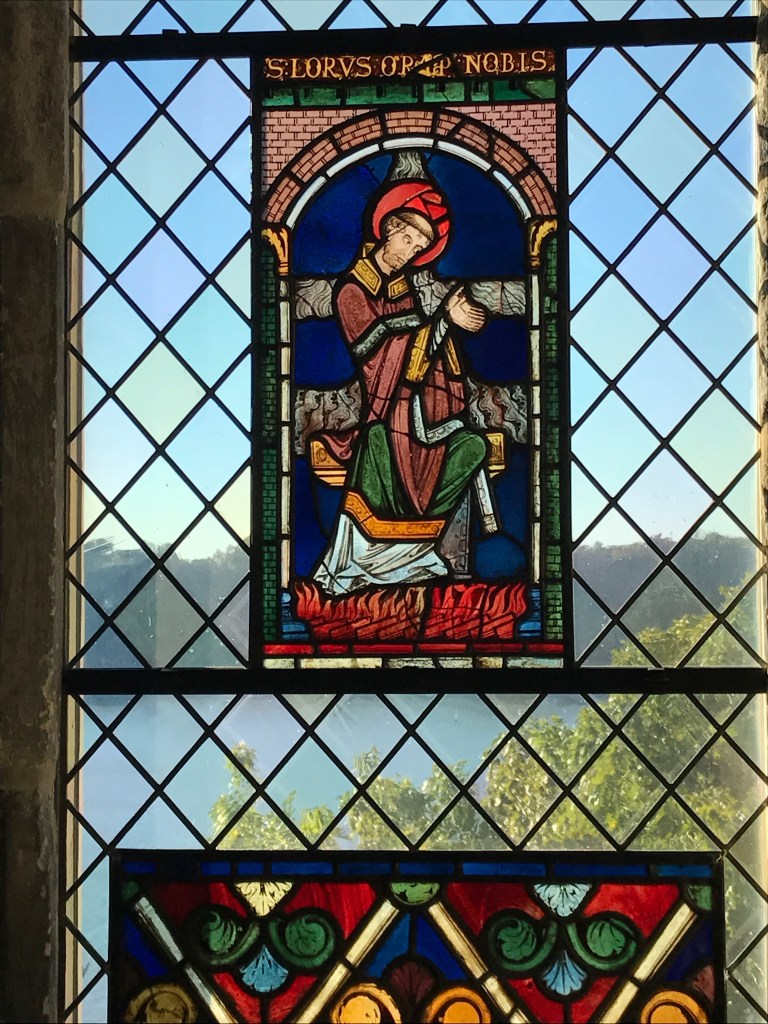
Stained glass shows the Martyrdom of Saint Lawrence, ~1180, British

A 2:21 min tour of the museum here

A 27:28 min tour of the museum here

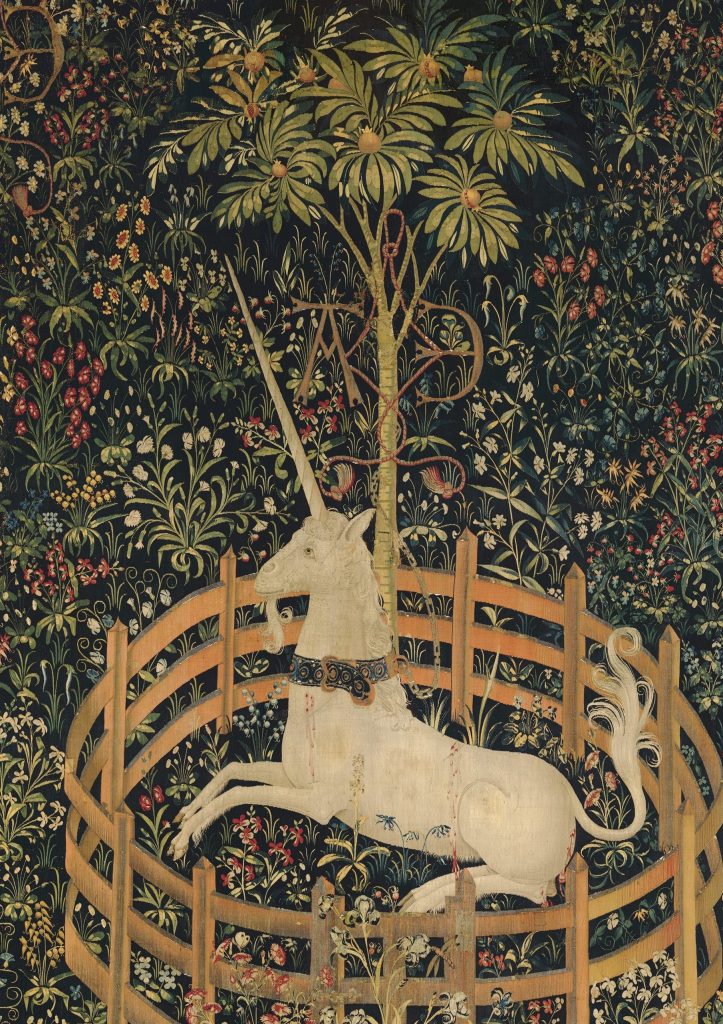
The museum contains portions of five cloisters, along with several chapels, other small monastic buildings and several galleries.  It also houses the famous unicorn tapestries, among the few remaining from the Medieval period. 

The Unicorn Rests in a Garden (from the Unicorn Tapestries)1495–1505, The Met Cloisters

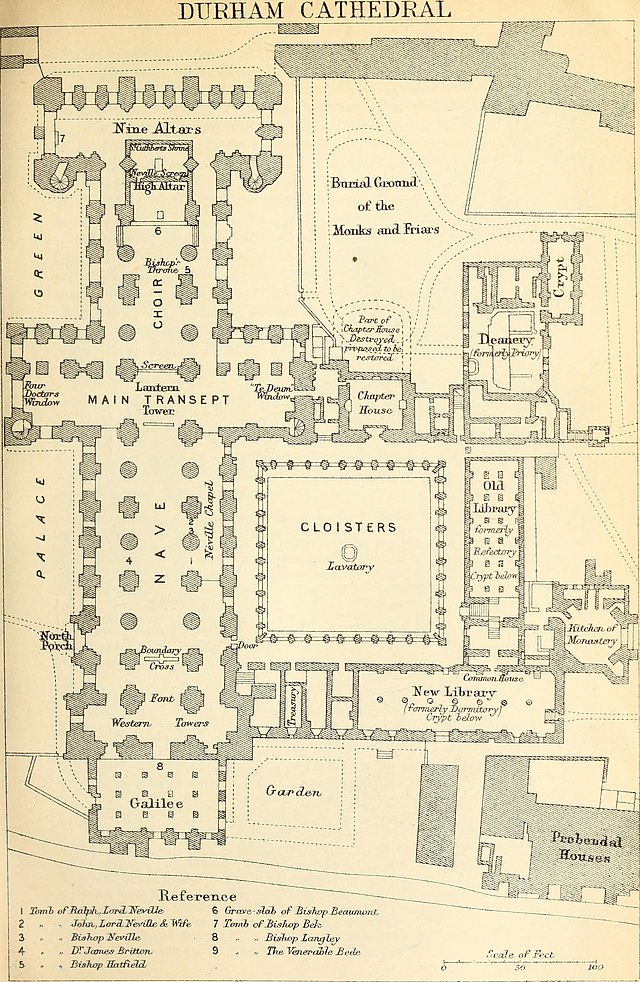
When I first went to the museum, I wasn’t even sure of what a cloister was.  The word “cloister” derives from the Latin verb “to close” and describes a covered walkway around a courtyard garden area, open to allow light and fresh air as a quiet place of contemplation, reading of scripture and prayer. The cloister was also used for processions and as the main route to get from one set of buildings to another in the complex. It was often built into the corner of the cross-shaped church.

The peacefulness and spirituality of the Cloisters Museum contrasts sharply with the hustle and bustle of Manhattan.  It feels like you’ve entered another world in time and space and you can feel your breathing slow and the quiet entering.  It’s no wonder it has been used repeatedly in both film and literature, including a Clint Eastwood action film!  More recently, the museum was a central location in the novel The Cloister by James Carroll.

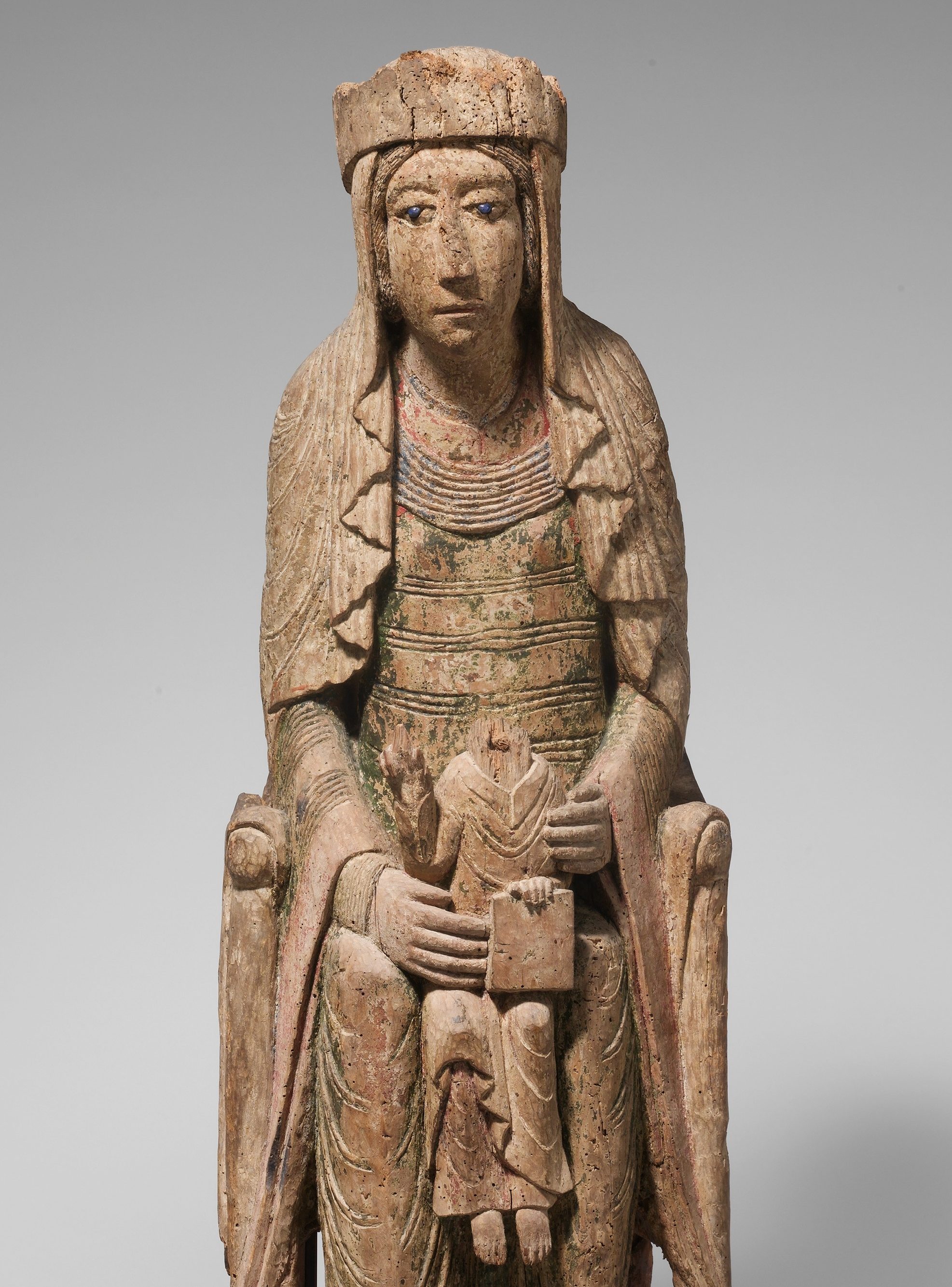
The Cloisters Museum seemed a natural place for Colleen, the central character in Breathing Water, to end up when she was in the uncomfortable waiting period between being married due to an unexpected pregnancy and the birth of her daughter.  Colleen was living with her new father-in-law, feeling the judgment of her family, society and her church.  In 1950s America pregnancy out of wedlock was treated as if the whole thing was the young woman’s fault, even though it most definitely takes two to make a baby.  The sin was sharp in everyone’s mind until the baby was born and the miracle of a new life helped Colleen’s transgression to fade.  While visiting the Cloisters Museum, Colleen felt a connection with the Virgin Mary she couldn’t feel elsewhere because the space felt spiritual without judgment.  Here’s the statue she saw that helped her to feel a connection with Mary… Mary who also had to live in this between time after being married and waiting for the baby.  It’s no wonder that Mary went to spend time with her cousin Elizabeth during her own pregnancy. 

Enthroned Virgin and Child, ca. 1130–1140, French, The Met Cloisters

Although it is stiff, elongated and formal in the Romanesque style, there is a surprising amount of emotion in Mary’s figure.  She is slightly stooped, with the weight of the life she sees ahead for herself and Jesus, but she is also peaceful and strong.  This Mary fully accepts their future with the full knowledge of the hardships ahead.  This is the Mary to whom Colleen can relate.  As in other Romanesque art, the baby Jesus is in the form of a miniature man, showing his fully formed divine nature coming to us through the body of the Virgin.  She is the throne he sits upon and represents the Church and its wisdom.  Jesus holds one hand to bless humankind and the other holds a book representing the Word incarnate.  Although it is unfortunate the head of Jesus has been lost in this statue, I find it makes the image of Mary more powerful because the full focus is on her.

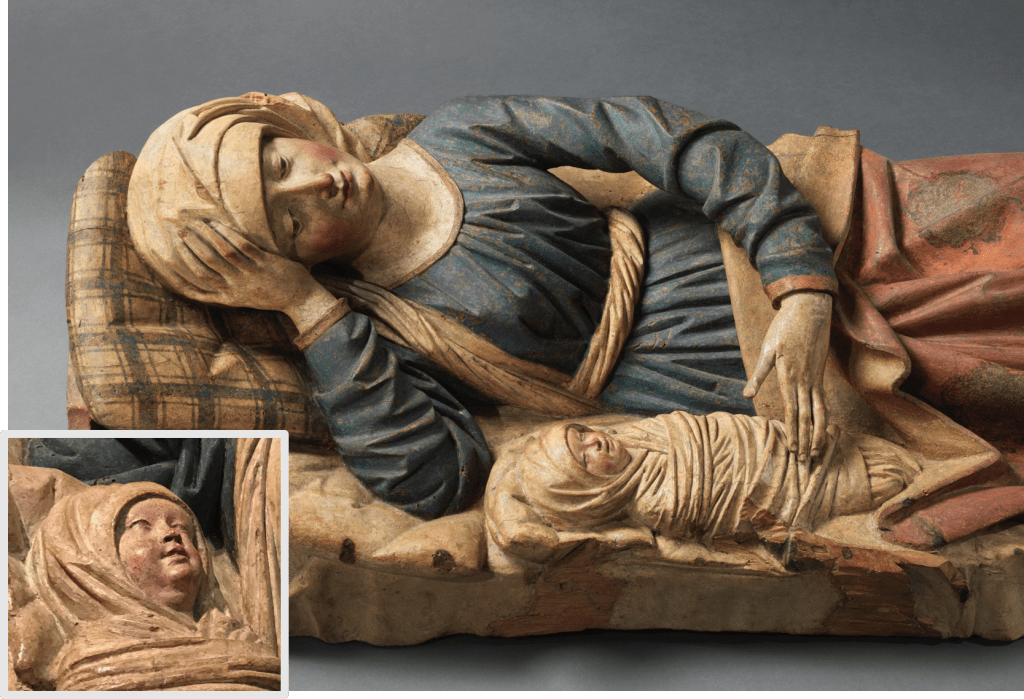
Colleen also felt deeply moved by a late Gothic, life-sized, reclining statue of a mother and child.  In Gothic art, figures are more natural and less regal, with more human expressions.  At first Colleen assumed the statue was of Mary and the baby Jesus, but then realized the baby, so lifelike and happy, looked like a girl.  This statue was of Saint Anne on her birthing bed with her child Mary. All was well after the birth and both mother and child bear the blush of good health.  It made Colleen yearn for her future baby to be so content and helped motherhood seem more real to her.

Nativity of the Virgin,  ca. 1480,  German, The Met Cloisters

In the statue, Saint Anne’s right hand symbolically points toward the baby who will have such an important choice to make when she’s about 14 years old (Will she accept the Divine into her womb when the angel Gabriel comes to call?). Interestingly, the sculpture is made from gesso, covered with tin then painted and glazed.  The color has been preserved well, adding to the life-like nature and charm of the work. 

In Breathing Water, the Cloisters Museum became a refuge for Colleen during this waiting time.  One can wonder how many others have found peace and refuge among the stones of the original buildings and now the museum. 

Being a Scientist and a Novelist … Isn’t That an Oxymoron?

Cultural Division of the Sciences and Humanities

We live in a culture where facility with science, facts and numbers are considered left brain activities and creative endeavors like fiction, painting and music are considered right brain activities. Individuals are supposedly trapped into primarily using one half their brain or the other.   Further emphasizing this division, college tracks are separated into the humanities or science & technology, with only a smattering of courses allowed on the other side of the aisle.  In 1959, C.P Snow—a chemist and novelist—called on the British to stop separating the two cultures and to allow greater crossover.  He called the humanists in his country “pessimistic Luddites” and saw the bright future of prosperity and cold war superiority in science—but a humanized science.  His short book on the topic became hot in the US as we ramped up our own science and technology for the space age.  1

Left Brain- Right Brain Theories and Handedness 

In the 1980s, left brain- right brain theory was popularized and remains so to this day.  You can take quizzes online to find out your brain dominance and personality.  These theories started with the over-interpretation of a case study involving an epilepsy patient whose corpus callosum was surgically severed to control his seizures.  The corpus callosum, Latin for tough body, is a fiber network joining the right and left hemispheres.  This surgery helped the patient’s seizures, but messed up his ability to process information and move in a side-specific manner. 2
This myth of right- and left brained people is perpetuated by many factors, including our observations of right- and left-handed people.  Lefties comprise only ~10% of the population (and have been since prehistoric days) and are expected to be more creative.  Based on that, you would guess that a room full of scientists would all be right-handed and if they were all sitting at tables taking notes, no one would have to worry about bumping elbows.  It was after an elbow bump during a meeting tightly packed around a table that I first realized at least half my molecular biology, pharmacology and chemistry colleagues were left-handed.  I felt a little left out as a rightie, as if maybe I had a creativity disadvantage.  But scientific study does not support this common stereotype 3, and instead some hypothesize left-handedness remains in the gene pool due to an association with competitiveness. 4

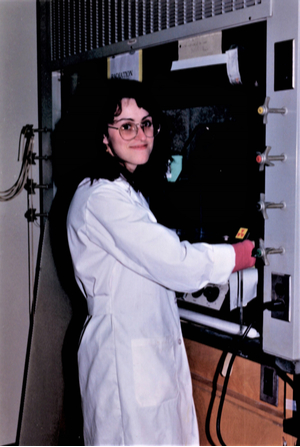
The author as a Post-Doctoral Fellow at Yale University (left) and more recently at her writing desk (below)

Myths and Truths on Left-Right Brain Use

Scientific inquiry over the last 20 years has enabled us to measure the size and activity of different brain regions in living humans and even dogs.  Imaging can be done in people who are doing nothing in particular (the default brain network) and while they are engaged in specific tasks.  These types of studies have verified that righties have most of their motor functions controlled by the left motor cortex, while lefties have more controlled by the right motor cortex, but with not as much of a preference as righties.  That makes it easier for lefties to become ambidextrous and cope with a broken left arm. 5

There are many functions that tend to be more predominant on one side of the brain verses the other (lateralization) and it’s an expanding area of research.   More of the functions associated with language are found on the left, while attention and non-verbal communication is more focused in the right brain.  But imaging has allowed us to see that for individuals, we are not predominantly using only one side of our brains verses the other outside of our motor functions. 6

The Gorgeous Corpus Callosum

I want to put in a plug here for the beautiful brain and the amazing corpus callosum.  It is the largest white matter tract in the brain and allows for exquisite coordination of left and right hemispheres.  It’s only found in placental mammals and the complex lateralization and interplay between hemispheres in humans is not found in mouse brains, the species I most studied.  The corpus callosum and its complexity are part of what makes us human.


Corpus Callosum in Red
Images are generated by Life Science Databases(LSDB)., CC BY-SA 2.1 JP

Science-Trained Authors

So now that we’ve got the handedness and left-right brain story a little bit explained, what about a scientist becoming a successful novelist?  Most people would think the link with science fiction was pretty reasonable.  Andy Weir, author of The Martian, is a computer programmer who we can put into the analytical scientist bucket. But many would be surprised at the inclusion of Vladimir Nabokov and Lewis Carroll on the list.  Contemporary biologist/authors of other types of fiction include: 

  • Diana Gabaldon- the Outlander series
  • Barbara Kingsolver- The Poisonwood Bible, The Bean Trees, The Lacuna
  • Delia Owens- Where the Crawdads Sing
  • Lisa Genova- Still Alice, Inside the O’Briens, Love Anthony 
  • Brandon Taylor- Real Life

Many physicians and psychologists are also successful authors and there’s even a website at NYU that helps you find not only medically oriented authors but also good literature including science. https://medhum.med.nyu.edu/  Think about Anton Checkov, William Carlos Williams, W. Somerset Maugham, Abe Kobo and Percy Walker in an earlier era.  More modern physician/authors include:

  • Kaled Hosseini- The Kite Runner, A Thousand Splendid Suns
  • Abraham Verghese- Cutting for Stone
  • Chris Cleve– Little Bee, Everyone Brave is Forgiven, Incendiary
  • Irvin Yalom- Lying on the Couch, When Nietzsche Wept, The Spinoza Problem
  • Carol Cassella- Oxygen, Healer, Gemini
  • Perri Klass- The Mercy Rule, The Mystery of Breathing
  • Melissa Yuan-Innes/ Melissa Yi- Code Blues, Life Support, Terminally Ill
  • Tess Gerritsen- Girl Missing, The Apprentice, The Bone Garden

The works of these authors span genres and although many include significant components of their scientific/medical expertise, many do not.  You’ll find little bits in my novels, and I hope to join the ranks of these distinguished published authors soon.

As a Willow Grows So Does a Story

willow over goldfish pond

One of the most common questions people ask an author is:  How long did it take to write the book?  Some writers churn out a book a year and others take 5 or 10 years.  The answer for me with Breathing Water is more complicated and I’ll tell the story with this willow tree.  

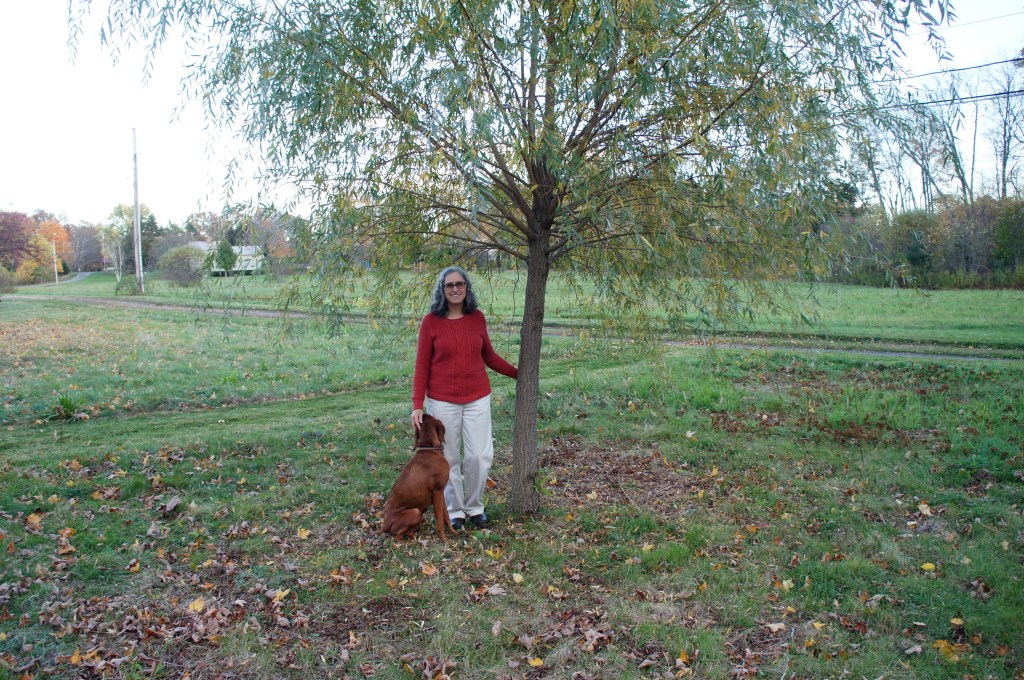
Author at the start of Breathing Water

Why did I choose a willow tree?

My fascination with willows began at a botanical garden where I took a photo of a willow tree reflected in a goldfish pond.  It hung in my office for years and I loved the form of the tree and the abstract quality of the image and reflections with the fish underwater.  Many years later, I made up a story featuring a willow tree during a writing group I helped facilitate at the jail.  It was about a girl whose loving memories of visiting her grandmother were intertwined with the big willow tree she would play and hide in.  I was thrilled when my husband decided to plant one in our yard. Little did I know that I would have a granddaughter before my first book was published, and she has already enjoyed pulling on the fronds. Maybe this tree will have a magical place in her life as well.

Learning How to Write

Part of writing my first novel was learning how to be a writer.  It’s different than writing scientific articles! Partly, you can only learn by doing, but it is a craft and it’s something you need to work at.  I didn’t want to go to school again for an MFA, and I tend to be a do-it-yourself type, so I used multiple sources to help me learn. 

Books about writing, some of my favorites were: 

Writing groups and workshops:

Writer’s Digest magazine & conference

Lots of reading and of course always writing and getting feedback early on about what was working for people.

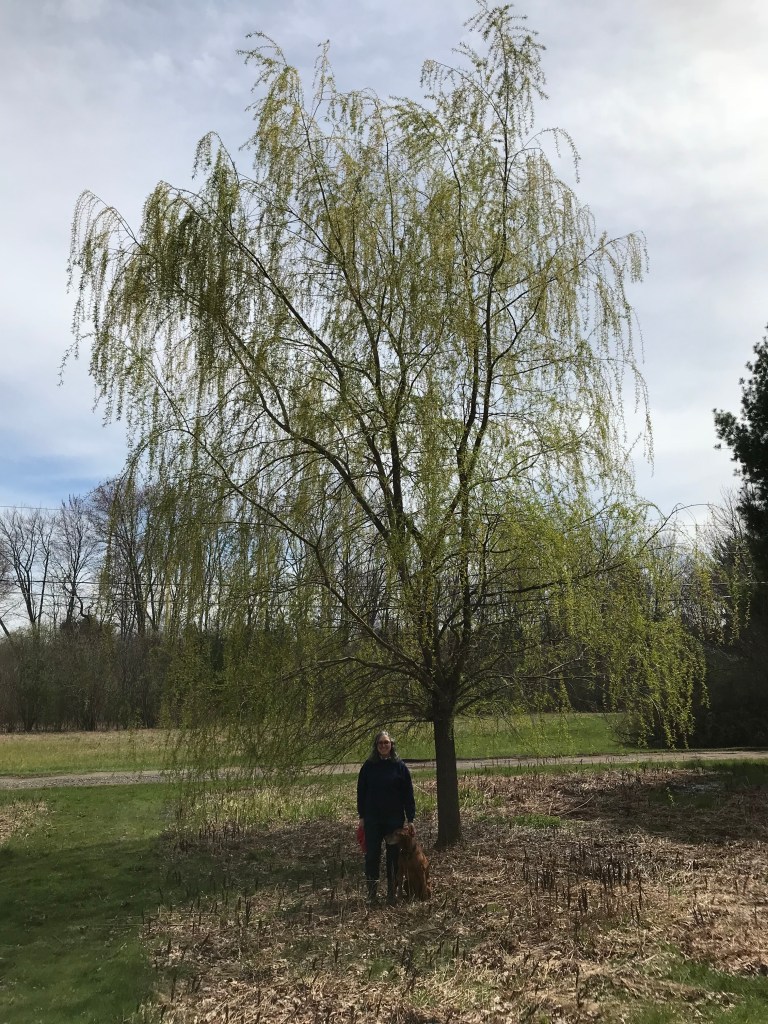
I started more seriously when I retired from my position as a research scientist in January of 2016. By October I felt like I was in writing mode enough that I asked my husband to take a photo of me by this young willow tree to mark the real start, even though I continue to learn by doing.

So How Long Did It Take to Write Breathing Water?

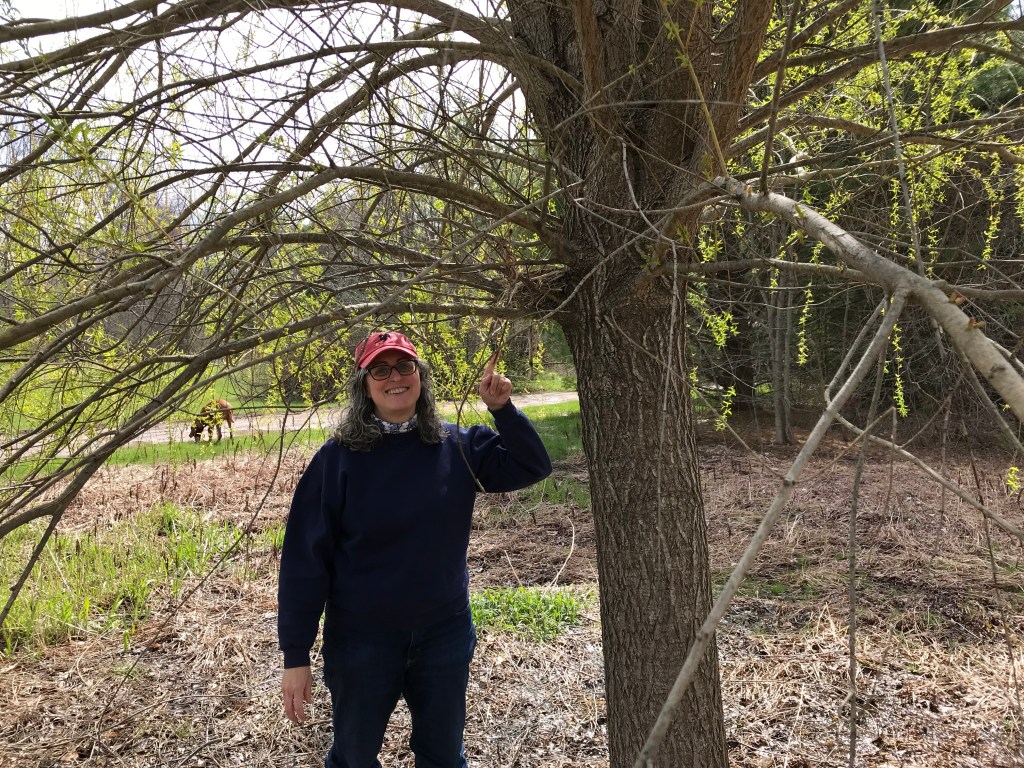
I had a lot of story to tell, over 3 generations of women from 1917 to 2017, so I finished a monster story 3 1/2 years later in May of 2020.  The willow, since it’s planted on an ideal wet site in the open, grew rather quickly by then and we marked the occasion with more photos.
after writing a monster-sized story

That’s Henry, my buddy, who loves to keep me company in the woods during my daily walk.  The willow grew so much that a robin built a nest in it that year.

robin’s nest

My story was too long for one book, but once I moved the story in my mind to my computer, I could decide how to divide it into two books, leaving some parts behind and writing fresh sections.  The first book from this series is Breathing Water, which I completed on February 21, 2021 and sent out to beta readers over the next week.  But it isn’t really done until it’s published and I’ll have more edits to do at different stages in the process.  So how long did it take me to write the book?  Something shy of 5 years, I guess you can say, or the time it took for a willow tree to mature.  The second book will probably take ~ 1 year to trim into shape, so that would be 2 books at an average of 3 years-ish.  Not too bad for a start, I guess, and I’ve got ideas for the next 2 books after.  I wonder how long they will take?

Donna Barten: Writer, Scientist and One Who Wonders…

I first became interested in writing fiction while co-leading writing groups in a women’s prison.  I volunteered with Voices From Inside as a balance to my work as a research neuroscientist, where I ran a lab studying treatments for Alzheimer’s disease for over 20 years.  In these small groups of women I not only heard many unexpected stories, but found that I enjoyed writing my own.  I began to embellish, change and create new characters and eventually the characters in Breathing Water and Imprint and Inheritance demanded my full attention.  Over the next five years I invested in learning the craft of writing fiction as I created these two novels and now I can’t imagine a life without this kind of writing.

You may wonder how science and writing fiction could fit together.  As a scientist I am always asking questions.  “What makes a normal nerve cell become abnormal?  How does that cell cause its neighbors and then the whole brain to move out of equilibrium and cause functional changes?”  As a writer I ask similar questions.  “If a character has a significant mental health challenge or an addiction, how does it affect not only their own life and dreams, but also those around them, and then those in the next circle around them?  What becomes embedded in the family dynamic?”  I also like to plant each character squarely in their times and culture and thoroughly enjoy the research involved in adding those historical details. 

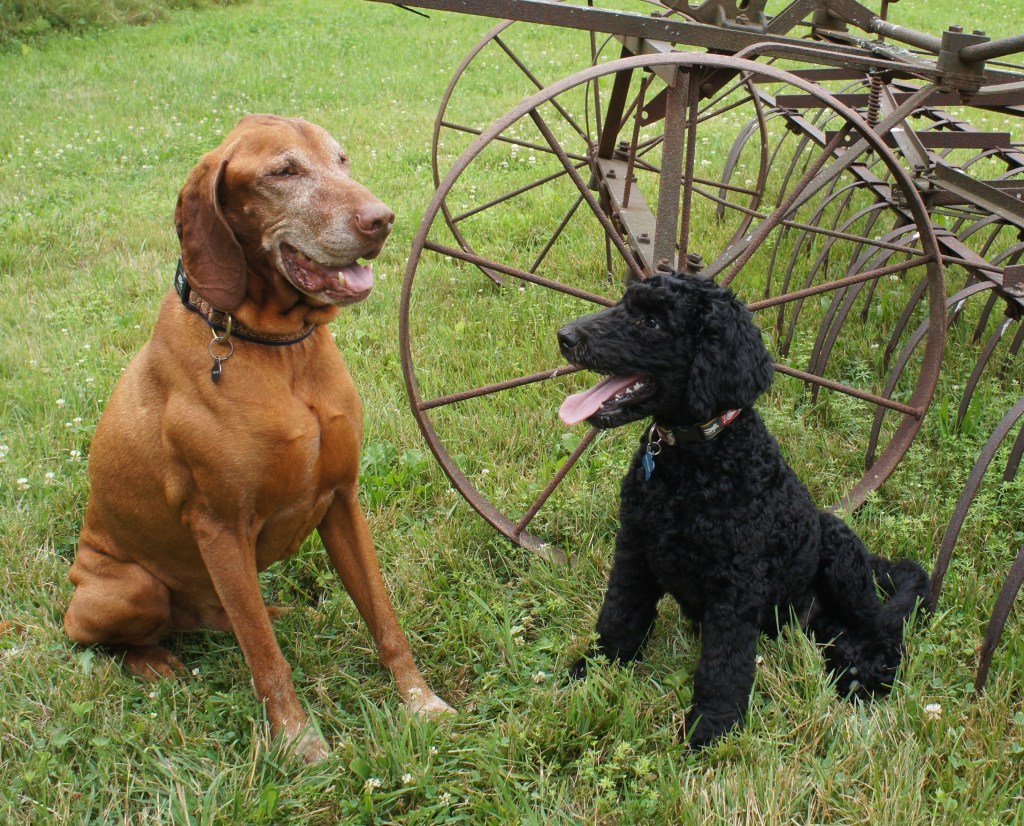
I often work out plot points during long daily walks with our two dogs, Henry and Jocco and they keep me company, i.e. sleep, as I write.

In my spare time I garden, cook and do volunteer work.  I am a practicing Christian and live in rural Connecticut with my husband. We have two children and two grandchildren.  I often work out plot points during long daily walks with our two dogs, Henry and Jocco and they keep me company, i.e. sleep, as I write.